
Key areas of USA Regulations
Explore the main topics, practical questions and resources connected with this category.
Federal chemical rules
Identify the US federal or state rule relevant to the product, substance, use and business activity.
State-level requirements
Determine the responsible entity and whether the requirement applies to the product or transaction.
Product substance restrictions
Collect composition, exposure, supplier and import information as needed.
Warnings and disclosures
Assess applicable thresholds, restrictions, exemptions and warning conditions.
Import and supplier data
Maintain evidence and decisions for relevant customers and authorities.
Records and updates
Monitor changes across federal and state programmes.
KNOWLEDGE AND RESOURCES
USA Regulations resources and guidance
Browse explainers, practical guides, industry insights and related articles to build a clearer understanding of this topic.
OUR LIBRARY


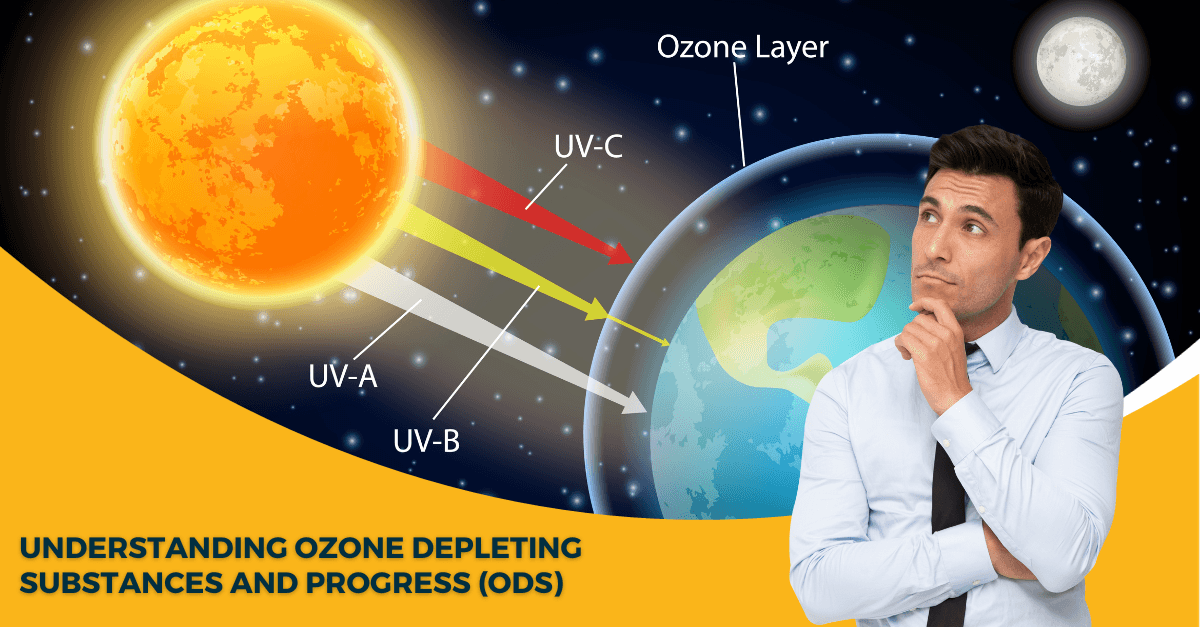
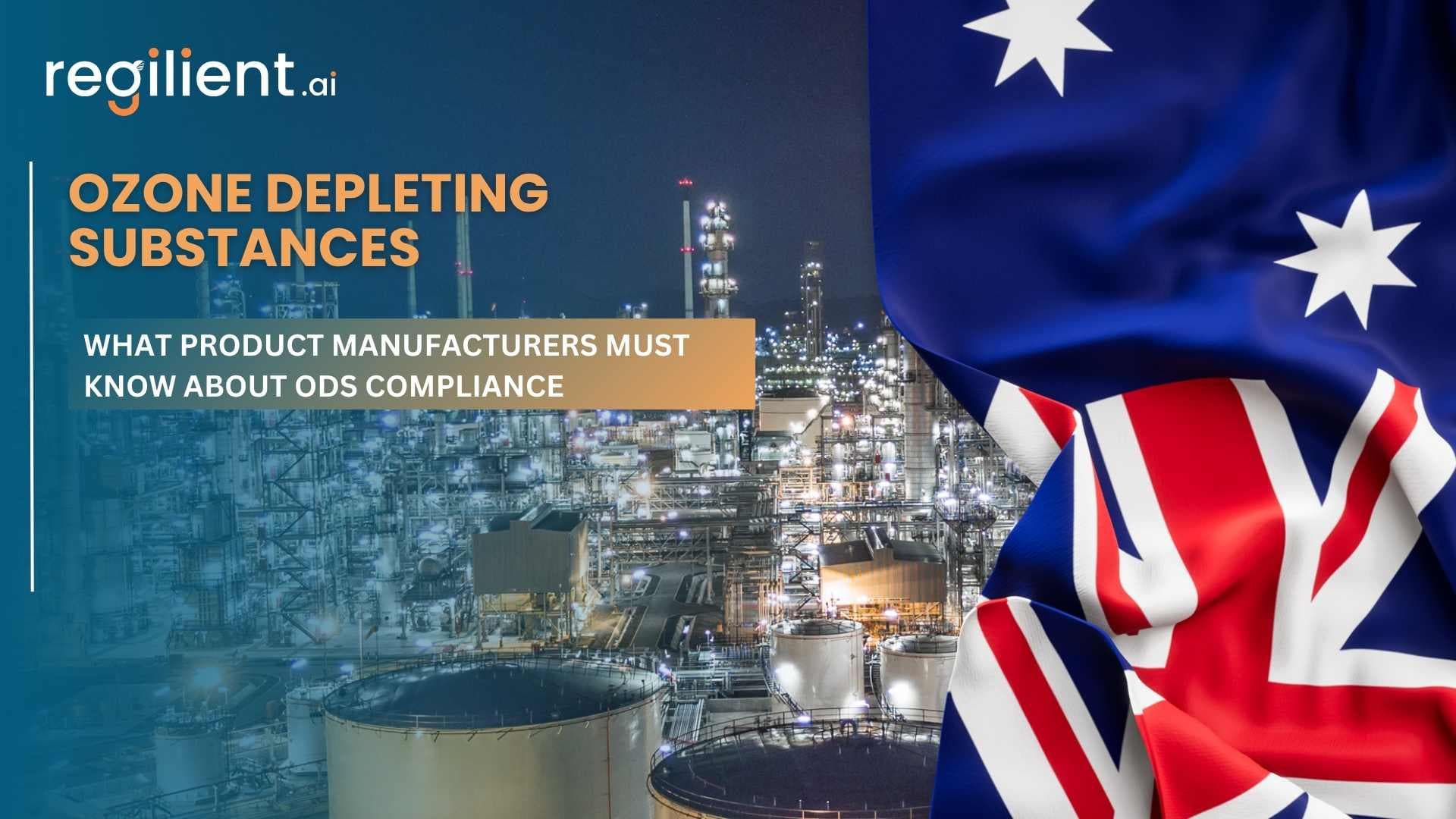
Ozone Depleting Substances: What Product Manufacturers Must Know About ODS Compliance

Maryland’s HB1153 PFAS Pollution Act Protecting State Waters
Updated
Tips for Maximizing Supplier Engagement: Turning Compliance from a Chore into a Partnership

Enhancing Data Coverage for Regulatory Compliance: Why Good Data is Your Best Defense

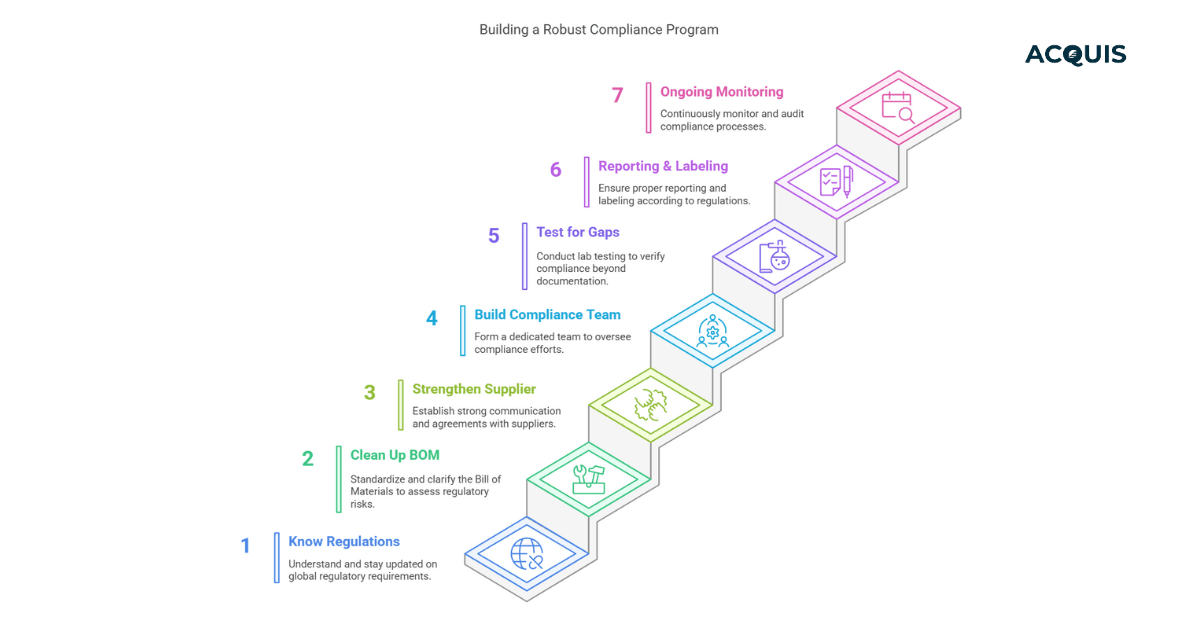
7 Steps to Build a Strong Compliance Program: Why It’s Essential in 2025

Updated
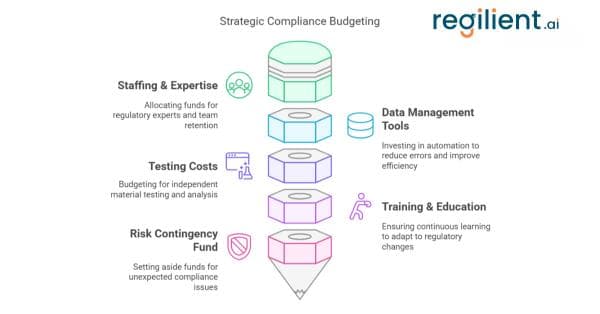
Budgeting for Compliance Success: Planning for the Inevitable

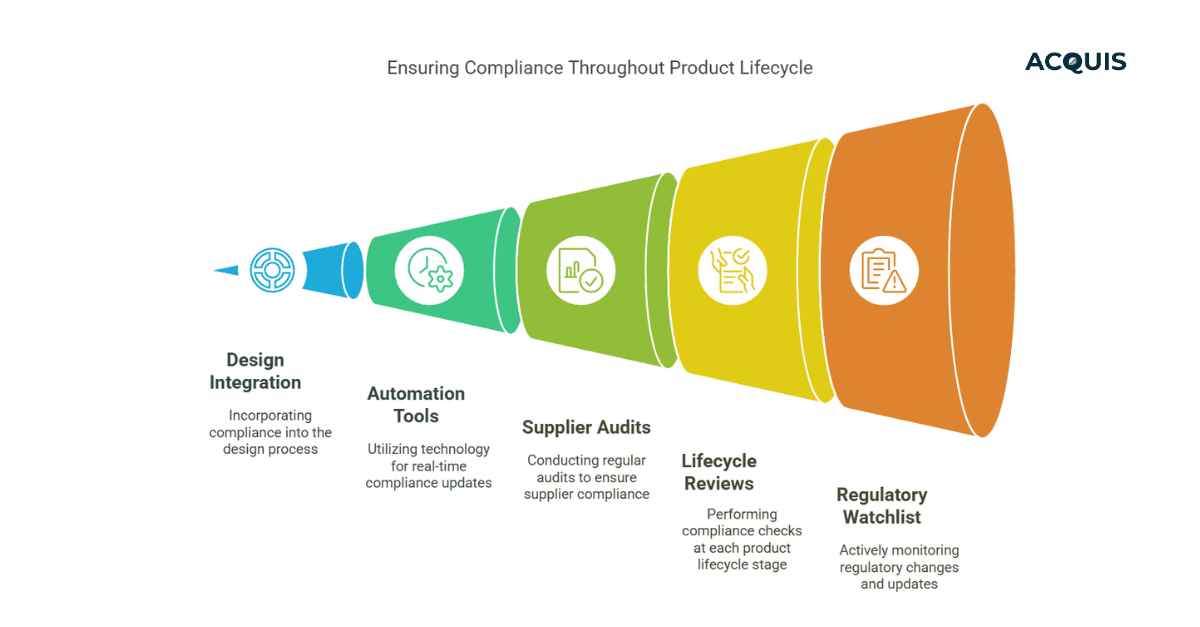
Ensuring Ongoing Compliance Throughout the Product Lifecycle: The Never-Ending Game

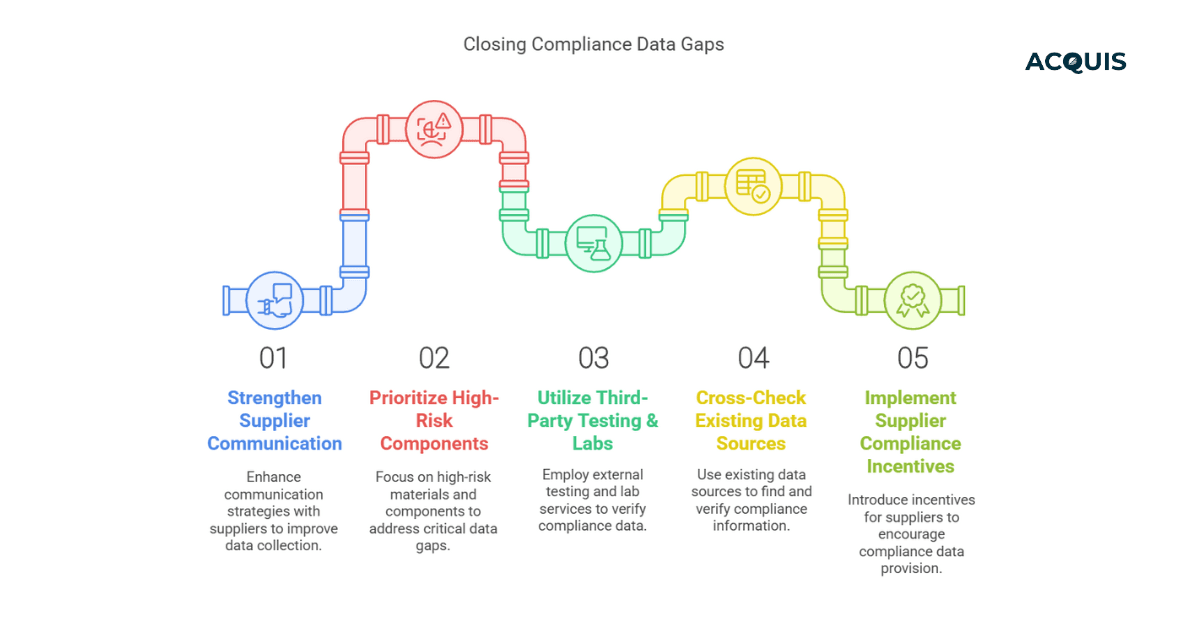
Closing Data Gaps in Compliance: Solving the Last-Mile Problem

How to Improve CMRT Supplier Response Rates

The Effect of RoHS Regulations on the Electronics Industry
.png&w=3840&q=75)
RCOI Process: How to Conduct a Reasonable Country of Origin Inquiry

Vermont Bans PFAS in Consumer Products

Connecticut's PFAS Regulation CT SB 292

Washington’s Toxic-Free Cosmetics PFAS Act HB 1047

New York PFAS Senate Bill S992-B: Banning PFAS in Anti-Fogging Products

Kentucky HB116 Addressing PFAS Contamination

Illinois PFAS Reduction Act (SB0561)

Overview of the 2024 Methylene Chloride Regulation

Rhode Island's Consumer PFAS Ban Act of 2024 (RI H7356)

What is Section 1502 of the U.S. Dodd-Frank Act?

Ban on Most Uses of Methylene Chloride, Protecting Workers and Communities from Fatal Exposure

Key Updates to Proposition 65 Enforcement with AB 3004
%2520A%2520Green%2520Initiative%2520for%2520Safer%2520Packaging-1.jpg&w=3840&q=75)
Toxics in Packaging Clearinghouse (TPCH): A Green Initiative for Safer Packaging

The California Transparency in Supply Chains Act Explained

Updated
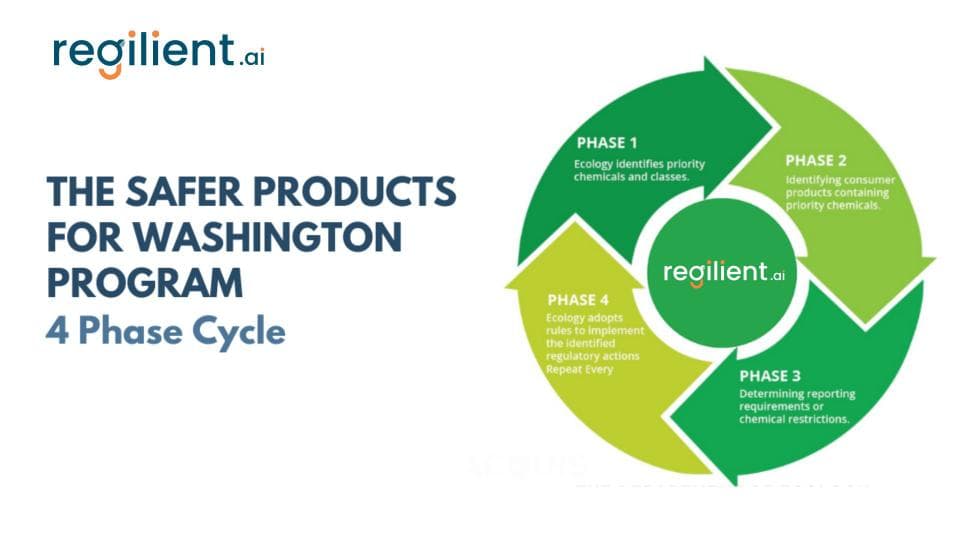
Washington State Takes Bold Steps to Further Strengthen PFAS Restrictions Under Safer Products Law

TSCA PBT Section 6(h) PIP 3:1 in Electronics: What You Must Know

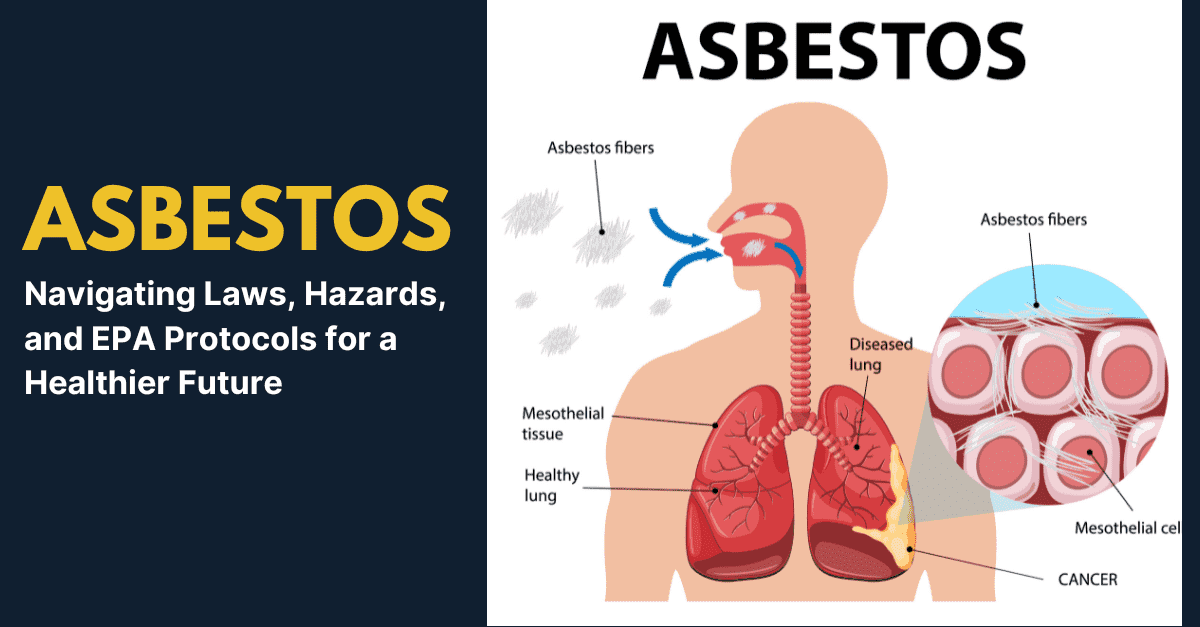
Asbestos - Navigating Laws, Hazards, and EPA Protocols for a Healthier Future

Updated
What Are Ozone-Depleting Substances (ODS)? Definition, Examples & ODP Explained

Understanding Halogen-Free Standards

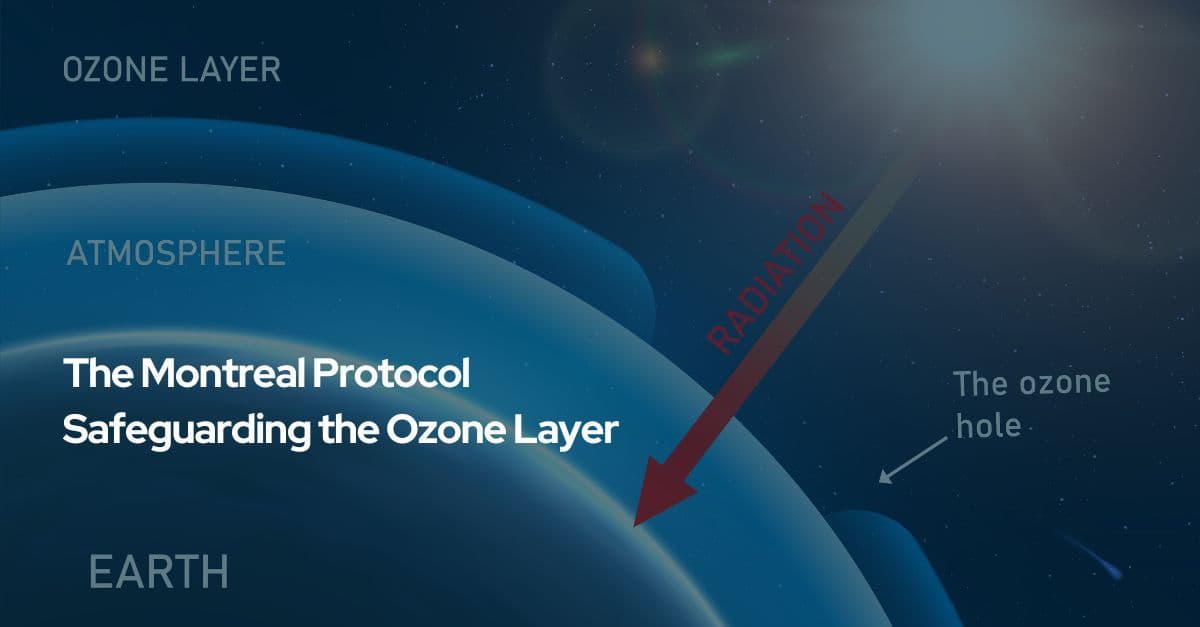
Montreal Protocol Ozone-Depleting Substances: What Manufacturers Must Track in 2026

Prioritization and Risk Assessment Procedures under TSCA

TSCA Section 8(a)(7) PFAS Reporting and Recordkeeping for Product Manufacturers and Importers

Updated
PFAS in Electronics: 2025 Regulations, Restrictions & Compliance Strategy

PFAS Compliance in the U.S. 12 Specific State Laws + TSCA 8(a)(7) Reporting and Record keeping

PFAS Compliance for Electronics: Are You Ready for 2025 Regulations?

CA Proposition 65 Update: 3 New Chemicals Listed Effective August 11, 2023

Understanding CEPA: Canada's Toxic Substances Law for Manufacturers

Combating Modern-Day Slavery in the United States

Minnesota's 2023 HF1000 Bill: Banning PFAS in Consumer Products

Updated
Navigating the USMCA Impact on Industries and Trade Relations

California Proposition 65 List Update: 2 New Potential Cancer-Causing Substances Added

Prop 65 Compliance: What Manufacturers Selling Into California Must Do

Updated
CMRT Reporting Template: Complete Guide to Conflict Minerals Reporting

Conflict Minerals Reporting Best Practices for Complex Manufacturing Companies

Biocidal Products Regulation: Comparative Study of EU BPR and US BPR for Biocidal Products

Streamline Your Compliance and Sustainability Efforts with a Software Solution

OEHHA Adds 3 New Chemicals to Prop 65 List

CA Proposition 65 Requirements for Manufacturers of Complex Products in California

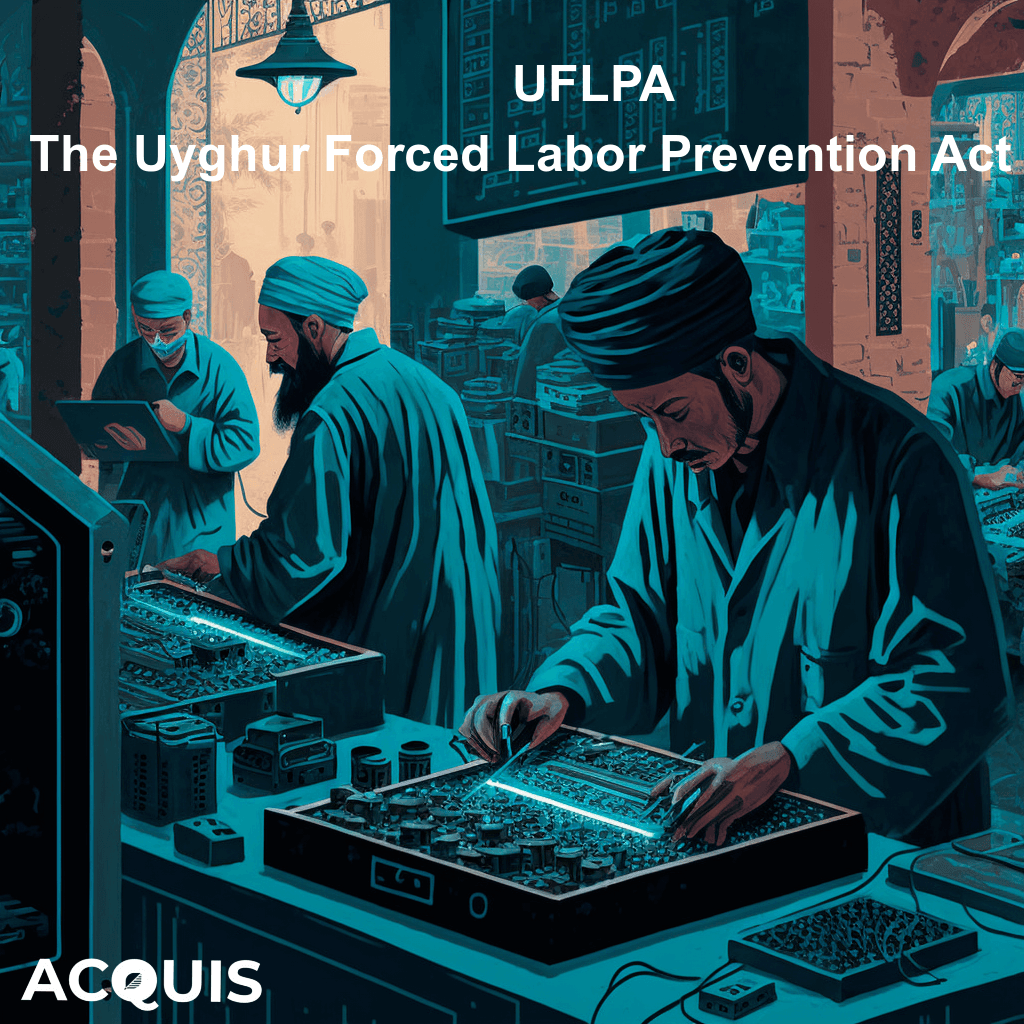
UFLPA Compliance for Electronics Manufacturers: Trace Components, Materials & Suppliers
Disclaimer
The information provided in Regilient's blogs, ebooks, and other materials is intended for informational purposes only and should not be construed as legal advice. While we strive to provide accurate and up-to-date information, the rapidly evolving nature of compliance regulations means that the content may not always reflect the most current legal standards or interpretations. Therefore, it is crucial to consult with qualified legal professionals or our experts to ensure compliance with specific regulations and requirements applicable to your business. Reliance on the information provided without seeking professional advice could result in legal risks and potential non-compliance. Regilient disclaims any liability for errors, omissions, or damages arising from the use of the information provided in our materials.