










OUR LIBRARY

PPWR and the Digital Product Passport: One Dataset, Two Regulations

CBAM Verification: Who Verifies Your Emissions Data (and How the Process Actually Works)

Brazil RoHS Resolution 516/2026: What Manufacturers, Importers, and Distributors Need to Know

Brazil RoHS 2026: CONAMA Resolution 516/2026 Deadlines and Requirements

Why EU PPWR Is Becoming the Biggest Packaging Compliance Challenge for Manufacturers

Your Emissions Are Your Money: How CBAM Certificates Actually Work

CBAM Authorised Declarant Status & Registry Access: 2026 Guide

Scope 3 Emissions: What ESG Managers in Manufacturing Need to Understand

EPA: The Environmental Protection Agency and Its Purpose
%2520(1).jpg&w=3840&q=75)
Why Regulatory Intelligence Is Becoming a Core Supply Chain Capability

How Compliance Failures Spread Across the Supply Chain
%2520(1).jpg&w=3840&q=75)
CBAM Gets Stricter in 2026: The New Methodology Rules That Will Change Your 2027 Carbon Costs
%2520(1).jpg&w=3840&q=75)
Why Manufacturers Struggle to Align REACH, RoHS, and PFAS Compliance Data

Supplier Declaration Audits: How Regulators Detect False Compliance Claims

Regulatory Data Fragmentation: Why Compliance Teams Can't Trust Their Product Data

Why Supplier Compliance Portals Fail: What Manufacturers Should Do Instead

EUDR Due Diligence: Why Product Traceability Is the Hardest Requirement

Ozone Depleting Substances: What Product Manufacturers Must Know About ODS Compliance

Digital Product Passport: Why Product Data Fragmentation Is the Biggest Compliance Risk

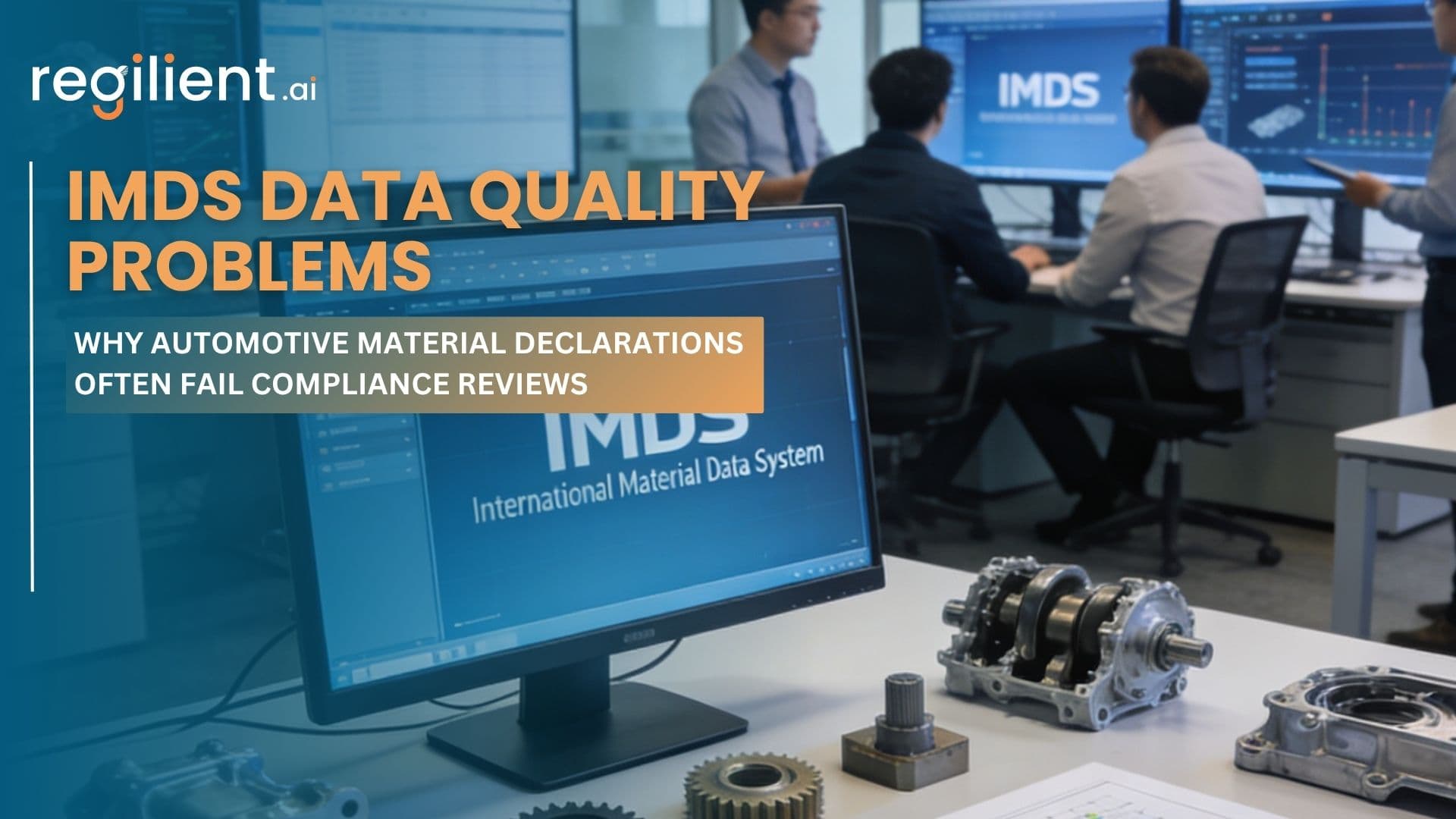
IMDS Data Quality Problems: Why Automotive Material Declarations Often Fail Compliance Reviews

EU Battery Regulation Data Requirements: Why Battery Supply Chains Are Struggling to Collect PCF Data

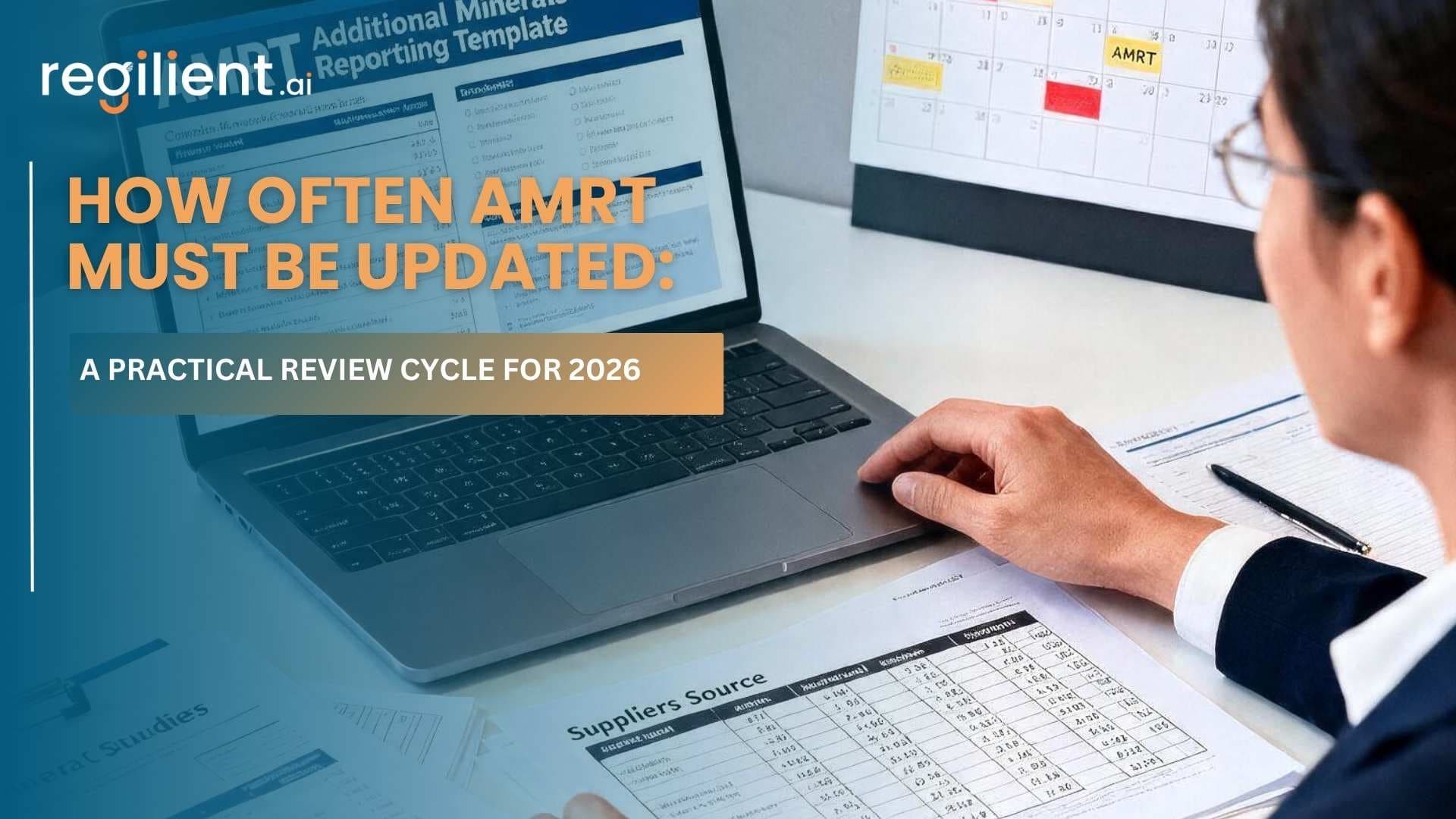
How Often AMRT Must Be Updated: A Practical Review Cycle for 2026

SCIP Database Reporting Failures: Why Many Submissions Are Rejected

Why EMRT and AMRT Requests Are Rising Even Without a Regulation Mandate

Company-Level vs. Product-Level CMRT: What’s the Difference?

Updated
CMRT Smelter Validation: How to Verify Smelter and Refiner Data

TSCA PFAS Reporting: Why Manufacturers Are Struggling to Collect Historical Supplier Data

CMRT 6.6 Is Live: Here's What Changed and What You Need to Do Before Your Next Filing

Updated
PFAS Supplier Chemical Transparency: How Manufacturers Collect and Validate Supplier Data

UK CBAM 2027: How It Differs from EU CBAM and What It Means for Your Supply Chain

False RoHS Compliance: When Supplier Declarations Pass but Fail Laboratory Testing

RoHS Lead Exemption Expirations in 2026: How Manufacturers Get Caught with Non-Compliant Components

Turning Carbon Costs into a Competitive Advantage: The Financial Impact of CBAM for Global Exporters
-1.jpg&w=3840&q=75)
Your Complete Guide to the EU CBAM: Managing the 2026 Financial Impact with Our Automated Solution

REACH Candidate List Updates: Why Supplier Declarations Become Outdated Overnight

REACH Supplier Data Gaps: What to Do When Substance Information Is Missing

CBAM Roadmap for Business: From Transitional Reporting to Strategic Financial Liability

The Business Case of Compliance and Voluntary carbon markets

Carbon Markets Explained: A Strategic Imperative for Compliance-Driven Enterprise

Does BABA Apply to Electronics and IT Equipment?
%2520Explained%2520for%2520Suppliers.jpg&w=3840&q=75)
Build America, Buy America (BABA) Explained for Suppliers

BABA Compliance Checklist for Manufacturers and Suppliers

Why Email and Spreadsheets Can’t Sustain AMRT at Scale

Who Owns AMRT Internally (and Why Shared Ownership Fails)

Running AMRT at Scale: Why One-Time Responses Always Fail

Why Product and Supplier Changes Break AMRT at Scale

When AMRT Data Creates ESG and Reputational Risk for Customers

AMRT Failure Is Commercial, Not Legal: What Suppliers Actually Lose

What Triggers AMRT Escalation: Patterns That Put Suppliers Under Review
Disclaimer
The information provided in Regilient's blogs, ebooks, and other materials is intended for informational purposes only and should not be construed as legal advice. While we strive to provide accurate and up-to-date information, the rapidly evolving nature of compliance regulations means that the content may not always reflect the most current legal standards or interpretations. Therefore, it is crucial to consult with qualified legal professionals or our experts to ensure compliance with specific regulations and requirements applicable to your business. Reliance on the information provided without seeking professional advice could result in legal risks and potential non-compliance. Regilient disclaims any liability for errors, omissions, or damages arising from the use of the information provided in our materials.