
Table of Contents
- Key Updates to the CBAM Methodology
- 1. The Shift to the "Functional Unit"
- 2. Stricter Rules for Production Processes and Boundaries
- 3. Tighter Eligibility for Indirect Emissions
- 4. Streamlined Precursor Tracking
- 5. From Voluntary Documentation to the Mandatory "Monitoring Plan"
- 6. The Official Operator’s Emissions Report
Key Updates to the CBAM Methodology
European Commission has introduced critical updates to how emissions must be calculated and reported. Outlined in the recent European Commission webinar, "How to make decarbonisation efforts pay off," and officially set out in the Commission Implementing Regulation (EU) 2025/2547, the new "CBAM Methodology for embedded emissions" introduces stricter, highly structured rules for Third Country Operators.
Here is a comprehensive breakdown of the major changes you need to know to ensure your decarbonisation efforts translate into lower CBAM compliance costs.
1. The Shift to the "Functional Unit"
During the transitional period, emissions were broadly calculated based on the sheer weight of the goods produced. The new definitive methodology introduces the concept of the "Functional Unit", a reference unit linking calculated emissions to the specific characteristics of a good that drive its carbon footprint.
- General Rule: By default, the functional unit is the quantity of goods produced in tonnes under the exact same 8-digit CN code.
- Crucial Exceptions: For the cement and fertiliser sectors, simple weight is no longer sufficient. For cement goods, the functional unit is now the tonnes of clinker contained within the good. For fertilisers, it is the kilograms of nitrogen (or relevant supplementary units) contained in the product.
- The Impact: Operators in these sectors must now meticulously monitor the composition (e.g., clinker-to-cement ratios) of their goods so they can accurately convert product quantities into the required functional unit.
2. Stricter Rules for Production Processes and Boundaries
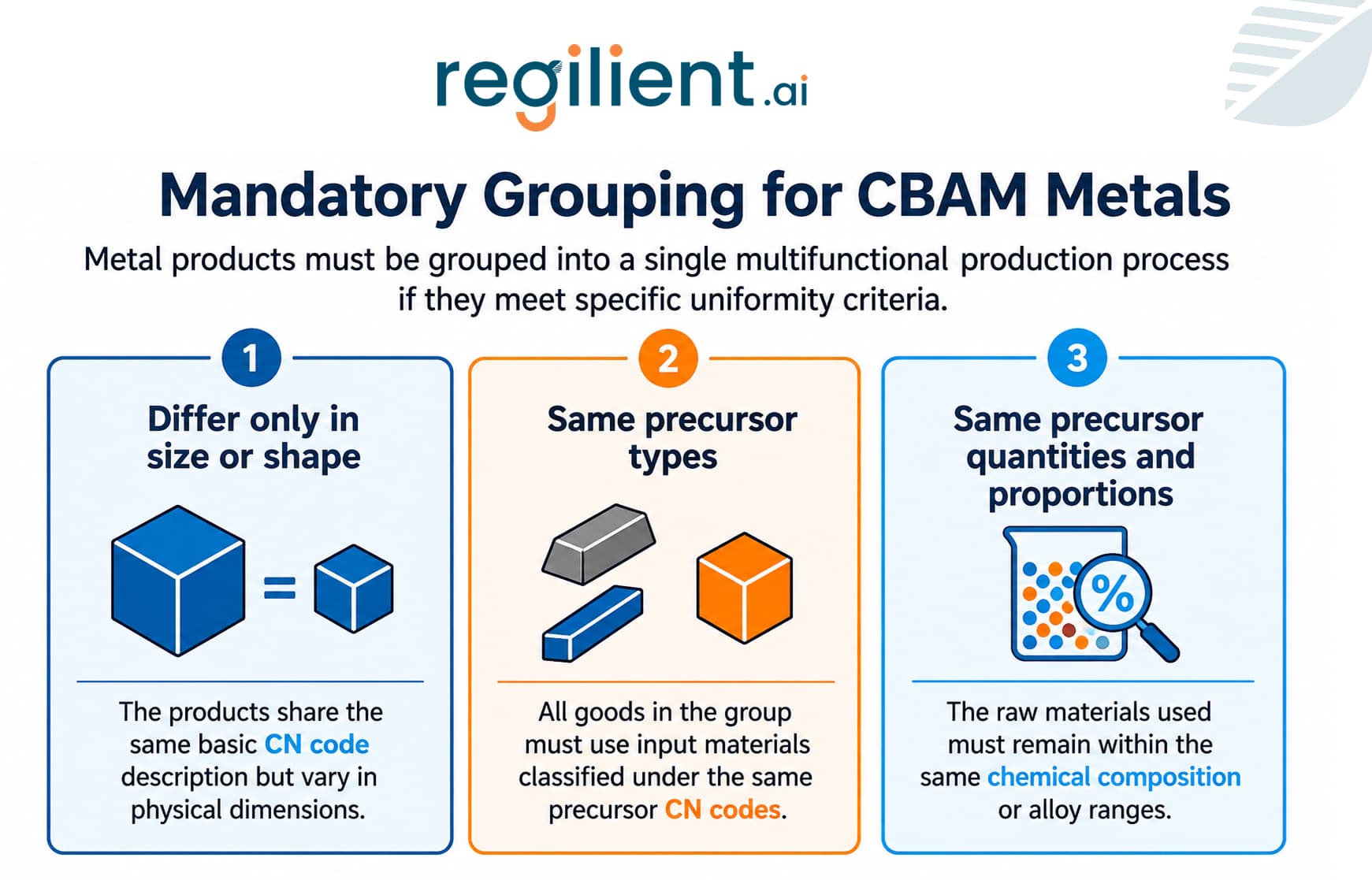
The definitive period eliminates the flexibility operators previously had to split their reporting into custom production routes.
- Tying Processes to Functional Units: Production processes are now strictly defined by the functional unit. This means you can no longer have more defined production processes than you have CN codes. If a process delivers goods across multiple functional units, the methodology provides specific rules for creating a single "multifunctional production process".
- Updated System Boundaries for Metals: The European Commission has refined the system boundaries for the iron, steel, and aluminium sectors to exclude finishing processes that have a negligible impact on overall emissions. For example, downstream processes like plating, cutting, welding, blasting, and painting are now explicitly excluded from the system boundary calculations. (Note: Galvanising remains inside the system boundary and must be accounted for).
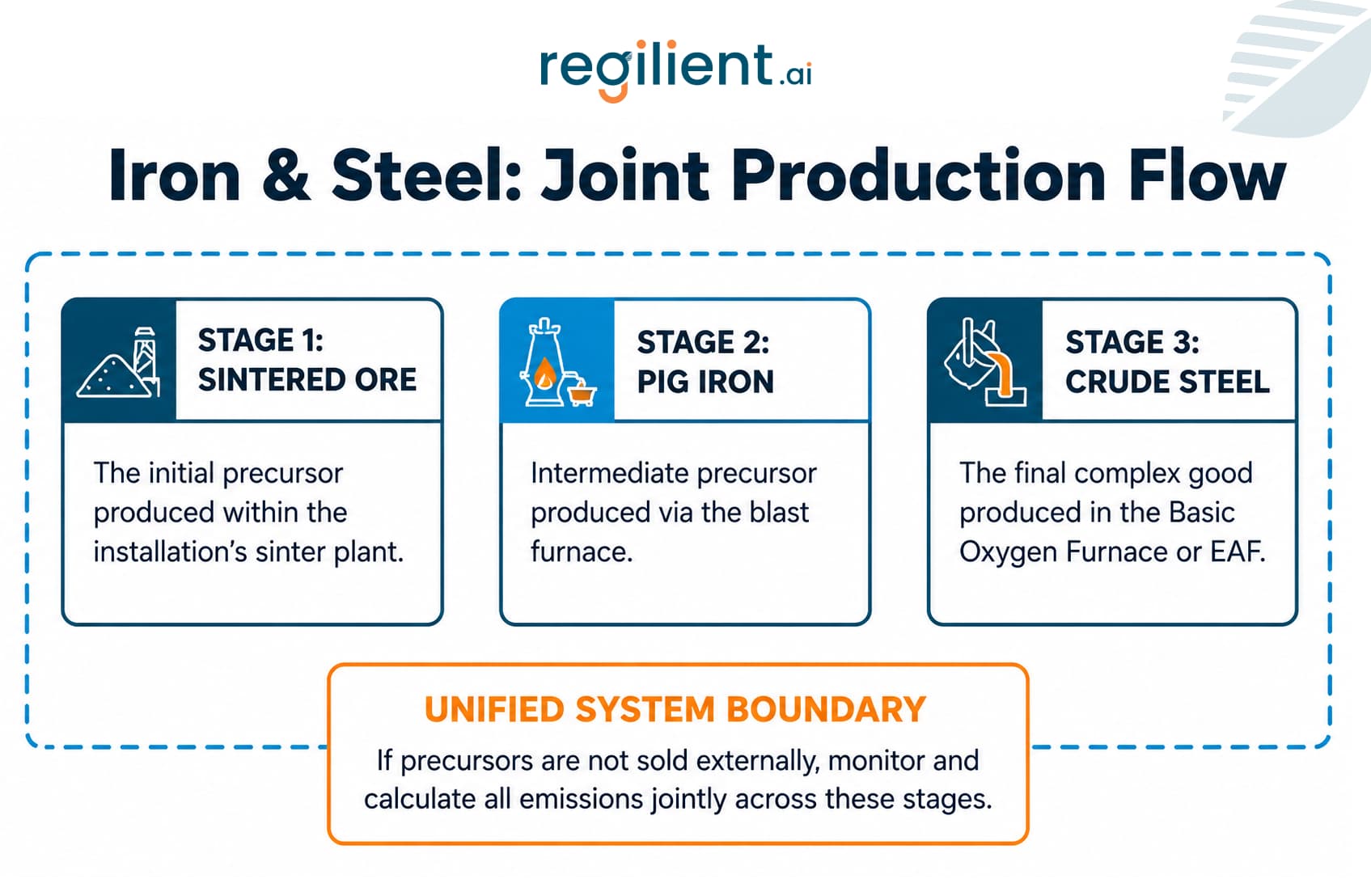
- Joint Production Processes: If a facility produces precursors and complex goods in the same installation without selling the precursors externally, operators are now permitted to monitor and calculate their emissions jointly.
3. Tighter Eligibility for Indirect Emissions
The rules governing indirect emissions (emissions resulting from the electricity consumed during production) have been significantly restricted.
- Targeted Scope: Indirect emissions are now only reported for CBAM goods that are not listed in Annex II of the regulation (such as cement, fertilisers, and agglomerated iron ore). Notably, hydrogen is now entirely excluded from indirect emissions reporting.
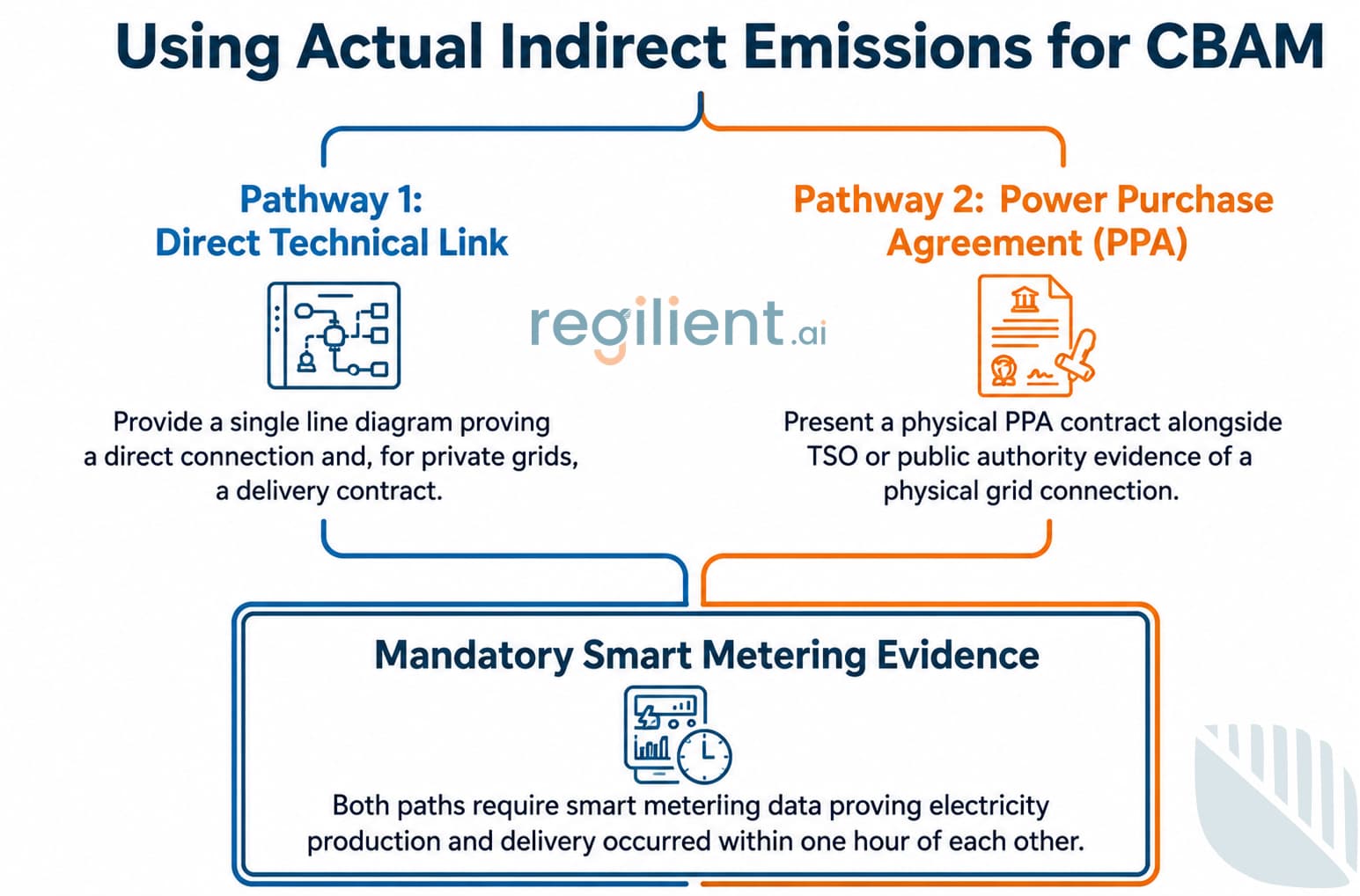
- Proving Actual Emissions: If an operator wishes to use actual emission values for their consumed electricity rather than default values, they must provide rigorous evidence. Acceptable proof includes demonstrating a Direct Technical Link (via single-line diagrams and smart metering) or possessing a valid, physical Power Purchase Agreement (PPA).
4. Streamlined Precursor Tracking
The concept of explicitly defined "relevant precursors" has been removed. Under the new rules, any input material covered by Annex I to the CBAM Regulation is officially considered a precursor.
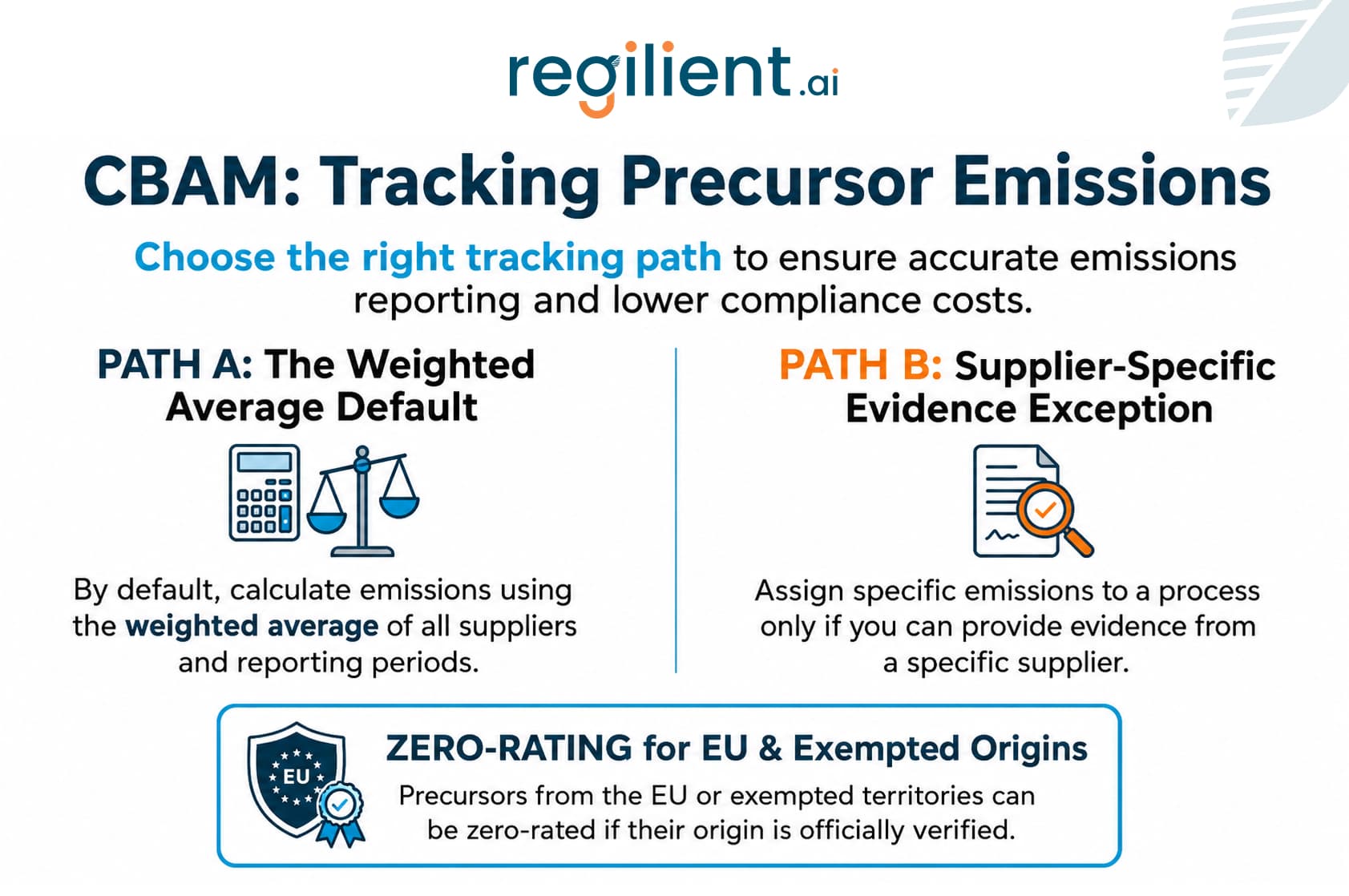
When installations use precursors from multiple suppliers, the default calculation method is to use a weighted average of their embedded emissions. However, if an operator can provide sufficient evidence, they are allowed to assign specific precursor emissions from a specific supplier directly to a specific production process. Furthermore, precursors originating from within the EU or exempted territories can be "zero-rated," provided their origin is officially verified.
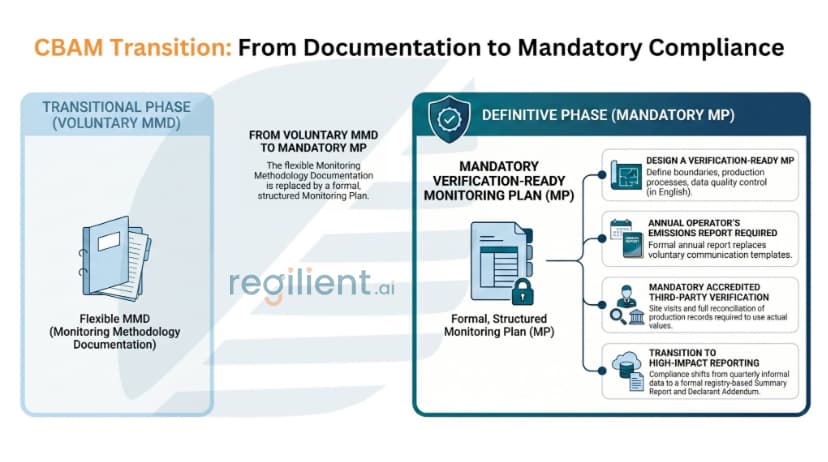
5. From Voluntary Documentation to the Mandatory "Monitoring Plan"
Perhaps the most significant operational change is the transition from the informal Monitoring Methodology Documentation (MMD) to a formal, legally binding Monitoring Plan (MP).
- The Foundation of Compliance: The MP is now the foundational document for an installation. It must comprehensively detail how the installation defines its boundaries, monitors emissions, handles precursors and energy flows, and maintains its quality control systems.
- The Prerequisite for Verification: The Monitoring Plan must be prepared in English and is a strict pre-condition for the annual verification process.
6. The Official Operator’s Emissions Report
In the transitional phase, operators provided data to importers using voluntary, spreadsheet-based communication templates. For the definitive phase, this has been upgraded to a formal Operator’s Emissions Report.
This comprehensive report serves as the basis for third-party verification. Once verified, operators can share a "Summary Emissions Report" with their authorised EU declarants via the CBAM Registry.
Next Steps for Third-Country Operators To ensure their actual emission values can be used by EU importers in 2027 thereby keeping CBAM compliance costs as low as possible operators must act now. Setting up a robust, auditable Monitoring Plan, preparing verification-ready data files, and engaging with accredited verifiers for site visits are the immediate priorities for securing European market access in the definitive phase.
At Regilient, we understand the complexity of these obligations and are committed to supporting and managing your CBAM compliance requirements. Our expert team works alongside you to navigate regulatory requirements, optimize your reporting, and ensure seamless integration of CBAM obligations into your supply chain operations and transforming regulatory challenges into competitive advantages.