
Key areas of ESG
Explore the main topics, practical questions and resources connected with this category.
Reporting scope
Determine which reporting frameworks and legal requirements apply to the organisation and applicable.
Environmental data
Identify data owners and evidence for relevant environmental metrics.
Social information
Collect social and workforce information using defined boundaries and controls.
Governance controls
Document governance policies, responsibilities and oversight.
Value-chain data
Coordinate value-chain information requests with suppliers and business partners.
Evidence and assurance
Maintain source data, calculation methods and review evidence.
KNOWLEDGE AND RESOURCES
ESG resources and guidance
Browse explainers, practical guides, industry insights and related articles to build a clearer understanding of this topic.

OUR LIBRARY


California SB 253 and SB 261: What Global Business Groups with USA Subsidiaries Need to Know

CBAM Customs Rules Explained: Who Declares, What Triggers It, and Which Y Codes to Use

PPWR and the Digital Product Passport: One Dataset, Two Regulations

CBAM Authorised Declarant Status & Registry Access: 2026 Guide

Scope 3 Emissions: What ESG Managers in Manufacturing Need to Understand

EUDR Due Diligence: Why Product Traceability Is the Hardest Requirement

UK CBAM 2027: How It Differs from EU CBAM and What It Means for Your Supply Chain

Turning Carbon Costs into a Competitive Advantage: The Financial Impact of CBAM for Global Exporters

CBAM Roadmap for Business: From Transitional Reporting to Strategic Financial Liability

The Business Case of Compliance and Voluntary carbon markets

Carbon Markets Explained: A Strategic Imperative for Compliance-Driven Enterprise
.jpg&w=3840&q=75)
Updated
CSRD & ESRS Reporting Timeline: What Is Fixed, What Is Sequenced, and What Will Continue to Change

Double Materiality Under CSRD: How to Perform and Document It Defensibl

ESRS Environmental Standards Explained (E1–E5): What Companies Must Assess, Disclose, and Prove

ESRS Social Standards Explained (S1–S4): Workforce, Suppliers, Communities, and Consumers

ESRS Governance & Business Conduct (G1) Explained: Policies, Controls, and Proof

ESRS Audit & Assurance Readiness: What Auditors Will Test and Where Companies Fail

CSRD Applicability Explained: Which Companies Must Report Under ESRS

California Climate Disclosure Laws 2025: SB 253 + SB 261 and the New Era of Corporate Carbon Accountability

EU CBAM Implementation Timeline: From Data Reporting to Full Enforcement (2023–2027)

RBA Code of Conduct: What It Means and Why It Matters in 2026

Updated
How FMD Powers ESG, Carbon Reporting & Circular Economy Goals

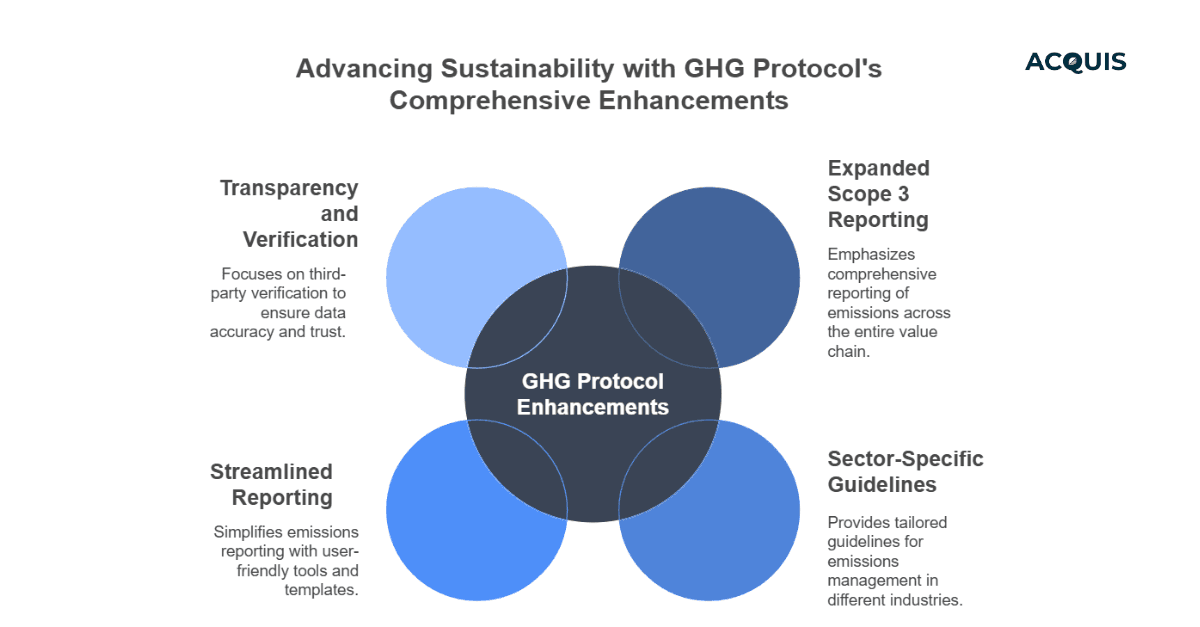
The Greenhouse Gas (GHG) Protocol: Enhancing Emission Reporting Standards

EU Battery Passport: What Manufacturers Must Capture Before 18 February 2027

The European Sustainability Reporting Standards (ESRS) and Their Impact on Corporate Reporting

Updated
EU Commission proposes to postpone the Sector Specific ESRS deadline from June 2024 to June 2026

Mastering Life Cycle Assessment (LCA): Data Collection and Environmental Impact Evaluation

ESRS Under CSRD: Scope, Materiality, Disclosures, Reporting and Audit Readiness

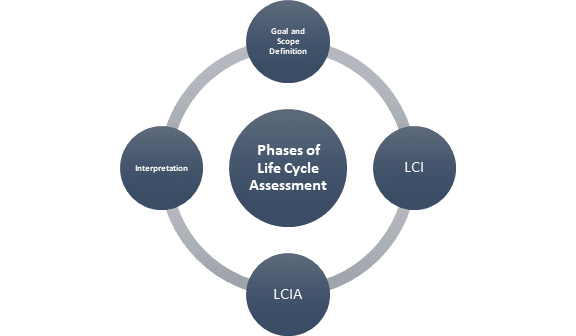
Life Cycle Assessment (LCA): A Comprehensive Approach to Sustainable Decision-Making

Unveiling Greenwashing: Navigating Regulations and Ensuring Compliance for Businesses

Reducing Your Carbon Footprint: Understanding Scope 1, 2, and 3 Emissions in Manufacturing

Updated
Supply Chain Sustainability Management and Environmental Compliance with Software Modules

Updated
Corporate Sustainability Due Diligence Directive (CSDDD): Scope, Requirements and Supply Chain Implications

Streamline Your Compliance and Sustainability Efforts with a Software Solution

Exploring ESG: A Guide for Manufacturing Companies on How to Start Reporting
Disclaimer
The information provided in Regilient's blogs, ebooks, and other materials is intended for informational purposes only and should not be construed as legal advice. While we strive to provide accurate and up-to-date information, the rapidly evolving nature of compliance regulations means that the content may not always reflect the most current legal standards or interpretations. Therefore, it is crucial to consult with qualified legal professionals or our experts to ensure compliance with specific regulations and requirements applicable to your business. Reliance on the information provided without seeking professional advice could result in legal risks and potential non-compliance. Regilient disclaims any liability for errors, omissions, or damages arising from the use of the information provided in our materials.