
Table of Contents
- Summary
- 1. The 2027 shift: from "melted" to "mined"
- 2. What materials are covered?
- Do not confuse 7052 with 7009
- 3. The "recycled" loophole that isn't
- 4. The geopolitical reality: the China challenge
- 5. Proving provenance: tracing back to the mine
- 5.1 Building the evidence chain
- 5.2 Handling uncooperative suppliers
- 5.3 The tightening of waivers
- 6. The 2027 playbook: how to prepare now
- Conclusion
In brief: From 1 January 2027, DFARS 252.225-7052 bars defence contractors from delivering covered magnets, tungsten and tantalum that were mined, refined, separated, melted or produced in China, Russia, Iran or North Korea, including recycled material. The restriction now reaches back to the mine. Regilient helps manufacturers trace origin through FMD and BOM data to the Nth tier.
Summary
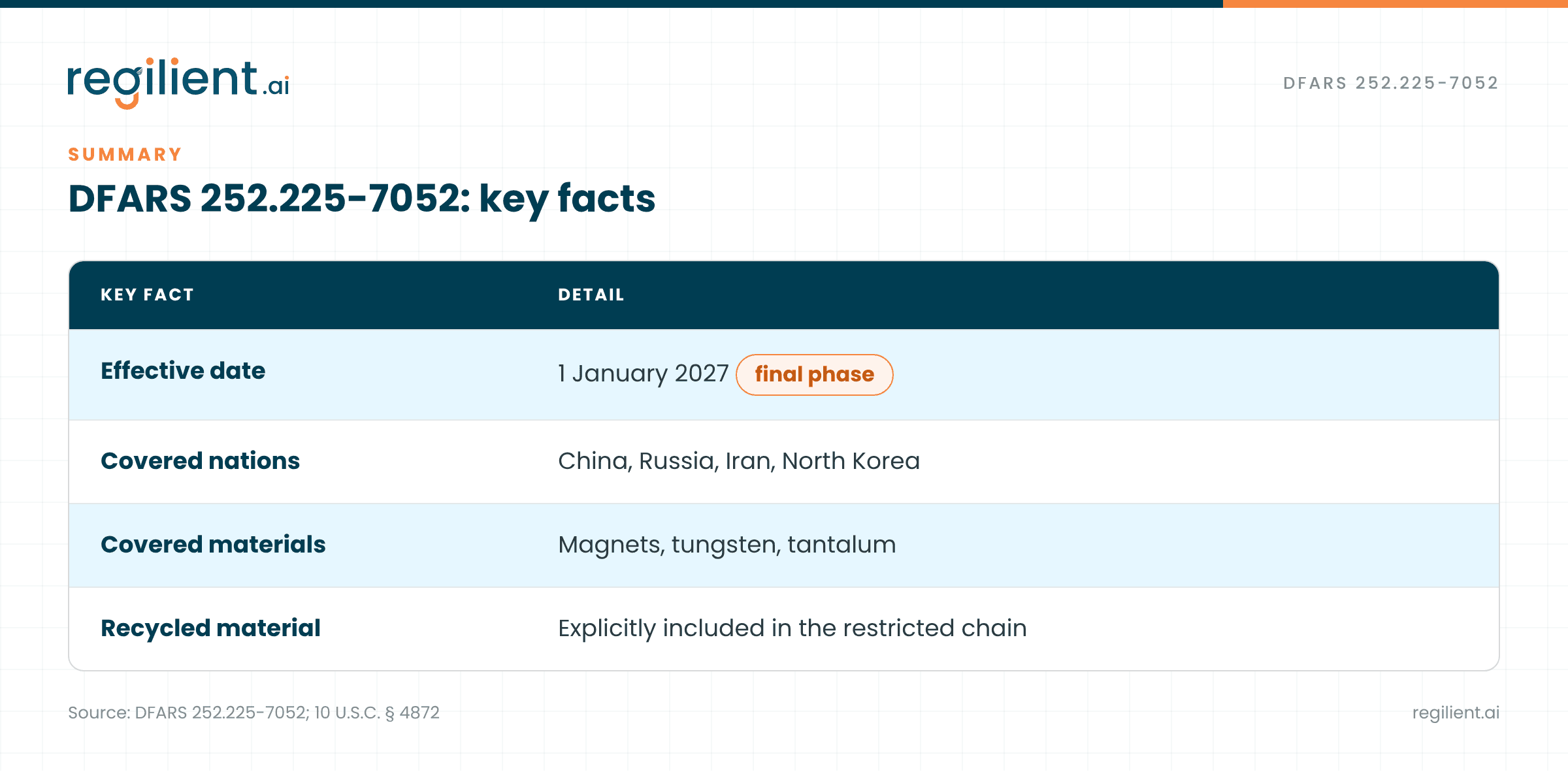
Effective 1 January 2027, the U.S. Department of Defense (DoD) implements the final, most stringent phase of DFARS 252.225-7052 ("Restriction on the Acquisition of Certain Magnets, Tantalum, and Tungsten"). The regulation is designed to reduce the American military's reliance on critical minerals controlled by adversarial nations, and it fundamentally alters how supply chains are scrutinised.
A manufacturer who is perfectly compliant today could fall out of compliance in 2027 without changing a single aspect of their operations.
1. The 2027 shift: from "melted" to "mined"
Currently, DFARS 252.225-7052 restricts defence contractors from delivering specific materials that were "melted or produced" in four covered nations: China, Russia, Iran, and North Korea.
Under these interim rules (valid through 31 December 2026), businesses can technically use raw resources mined or refined in these countries, provided the crucial midstream steps, such as melting in a furnace or final consolidation, take place elsewhere.
On 1 January 2027, the net widens significantly. The restriction expands to prohibit covered materials that are "mined, refined, separated, melted, or produced" in any of the four adversarial nations. Contractors become legally responsible for ensuring a completely restricted-nation-free chain, from the moment the ore leaves the ground to the final product assembly.
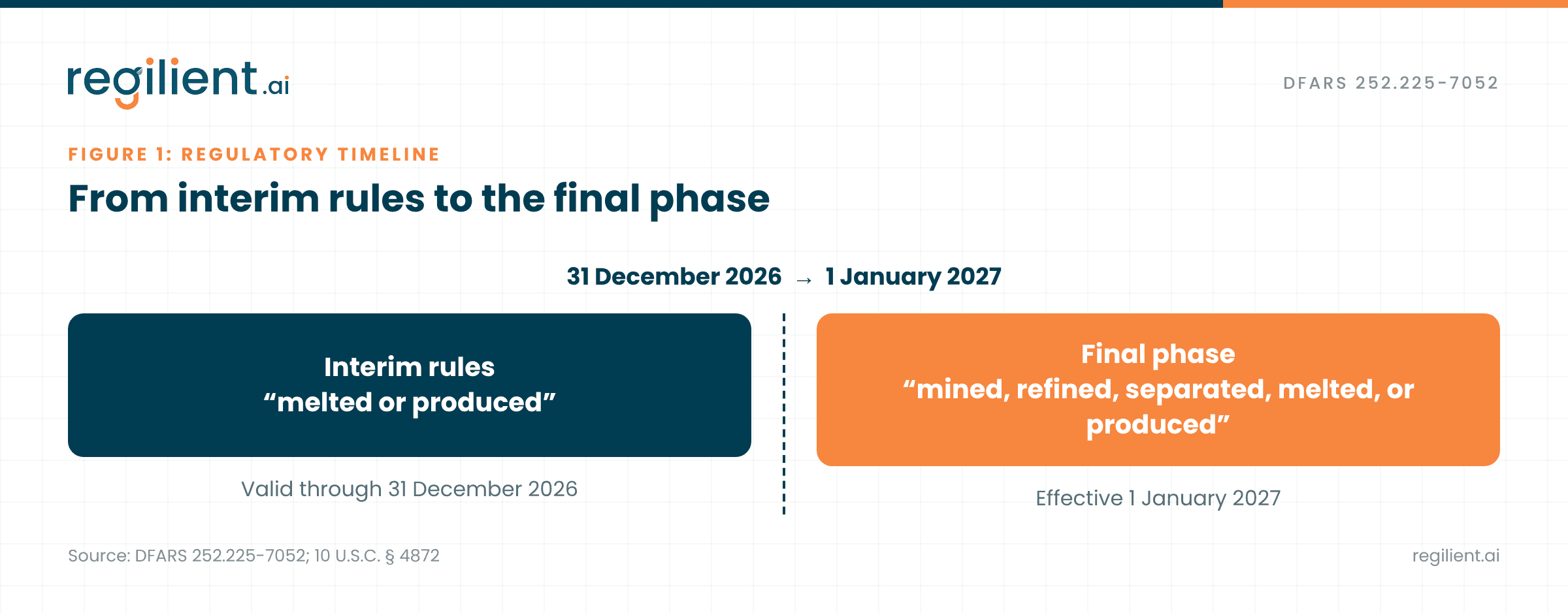
Figure 1: Regulatory timeline, interim rules to final phase
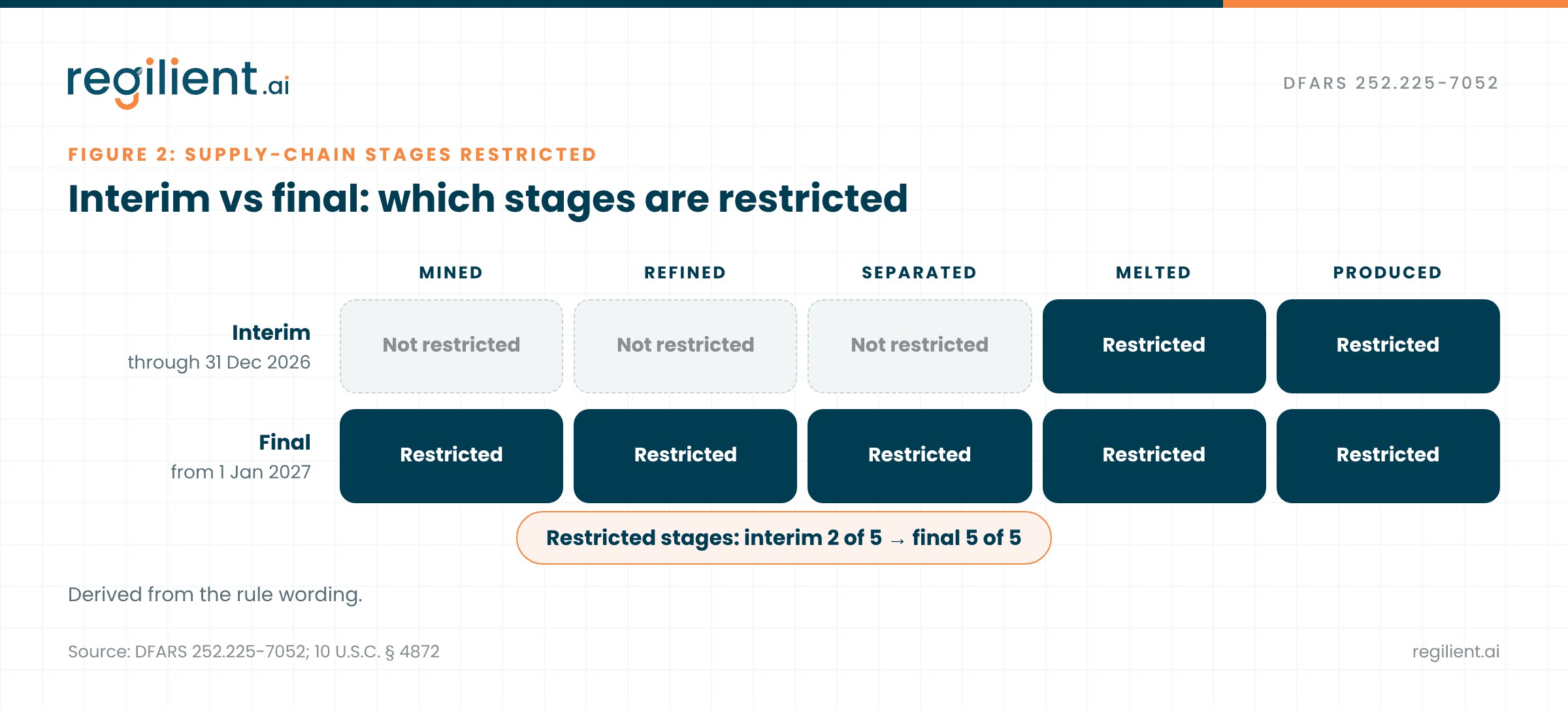
Figure 2: Supply-chain stages restricted, interim vs. final (derived from the rule wording)
2. What materials are covered?
The regulation strictly targets a narrow but critical list of inputs:
Group | Covered items |
|---|---|
Magnets | Samarium-cobalt and Neodymium-iron-boron (NdFeB) magnets |
Tungsten | Tungsten metal powder, tungsten heavy alloy, and any finished/semi-finished component containing tungsten heavy alloy |
Tantalum | Tantalum metals and alloys |
Do not confuse 7052 with 7009
DFARS 252.225-7009 regulates specialty metals like steel where tungsten is an alloying element. 7052 treats tungsten metal powder and heavy alloys as products in their own right. A supplier certifying compliance to 7009 has not automatically answered your 7052 sourcing questions.
DFARS 252.225-7009 | DFARS 252.225-7052 | |
|---|---|---|
Focus | Specialty metals such as steel | Certain magnets, tantalum, and tungsten |
Tungsten treated as | An alloying element | A product in its own right (powder, heavy alloy) |
3. The "recycled" loophole that isn't
A common assumption in manufacturing is that recycling scrap materials launders their country of origin. Because reclaimed heavy alloy or scrap carbide goes through domestic collection and processing furnaces, many assume it becomes compliant.
Under this specific clause, that assumption is false. The regulation explicitly writes "including recycled material" into the restricted chain. If your recycled feedstock originally came from China, Russia, Iran, or North Korea, running it through a domestic recycling stream does not make it compliant for 2027.
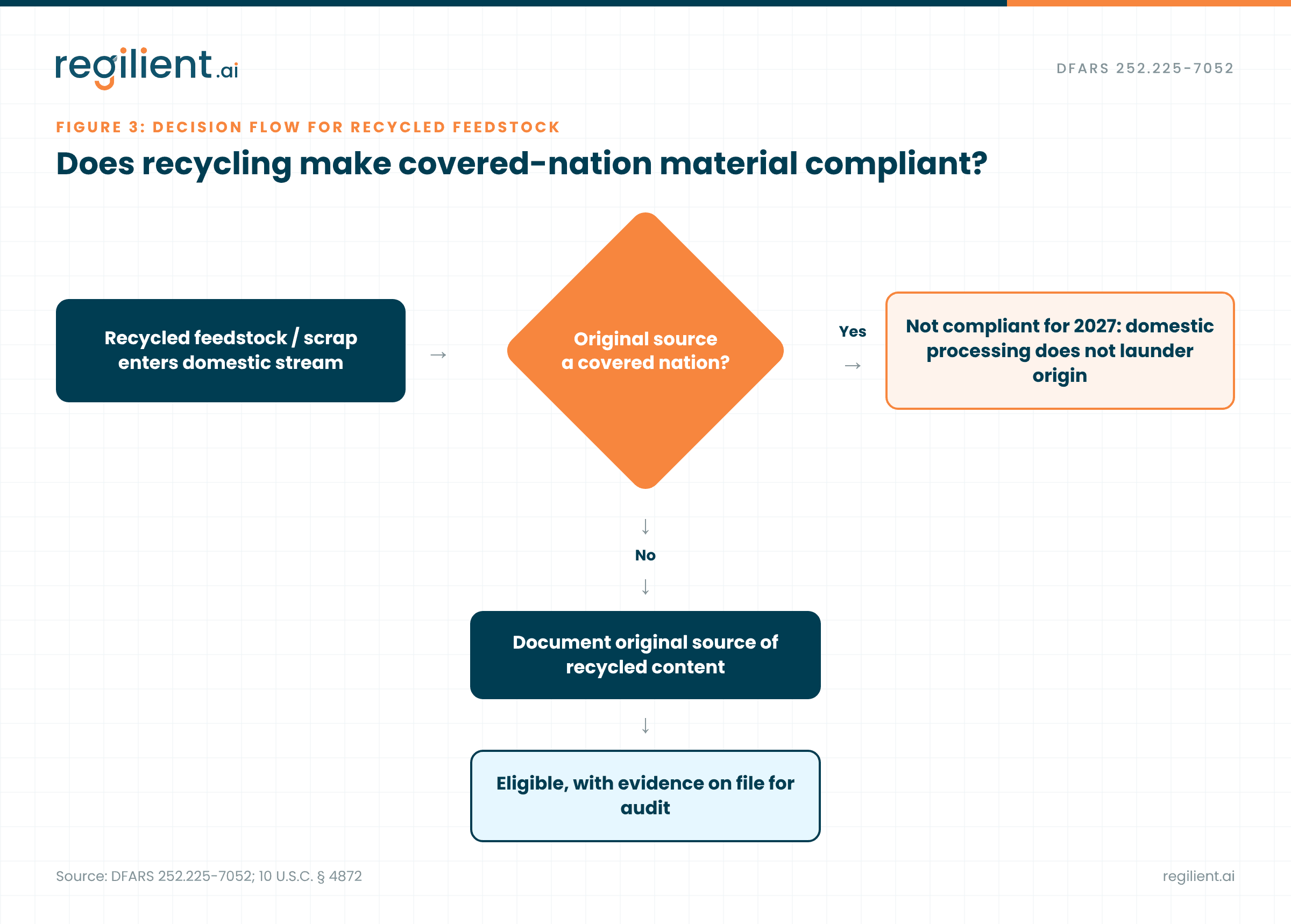
Figure 3: Decision flow for recycled feedstock
4. The geopolitical reality: the China challenge
The primary hurdle for U.S. manufacturers is China's deep-rooted dominance in the critical mineral sector. Over the past two decades, China has systematically secured control over global mines and heavily refined its domestic processing technologies.
- China produces the vast majority of the world's tungsten and over two-thirds of all rare earth elements (REEs).
- Establishing true "mine-to-magnet" or "mine-to-metal" independence requires weaving together an entirely new, decentralised global network.
- Since a single 1:1 replacement for Chinese mineral processing does not exist, manufacturers must build "patchwork" networks across allied and neutral nations, such as Japan, Vietnam, Malaysia, and Australia.
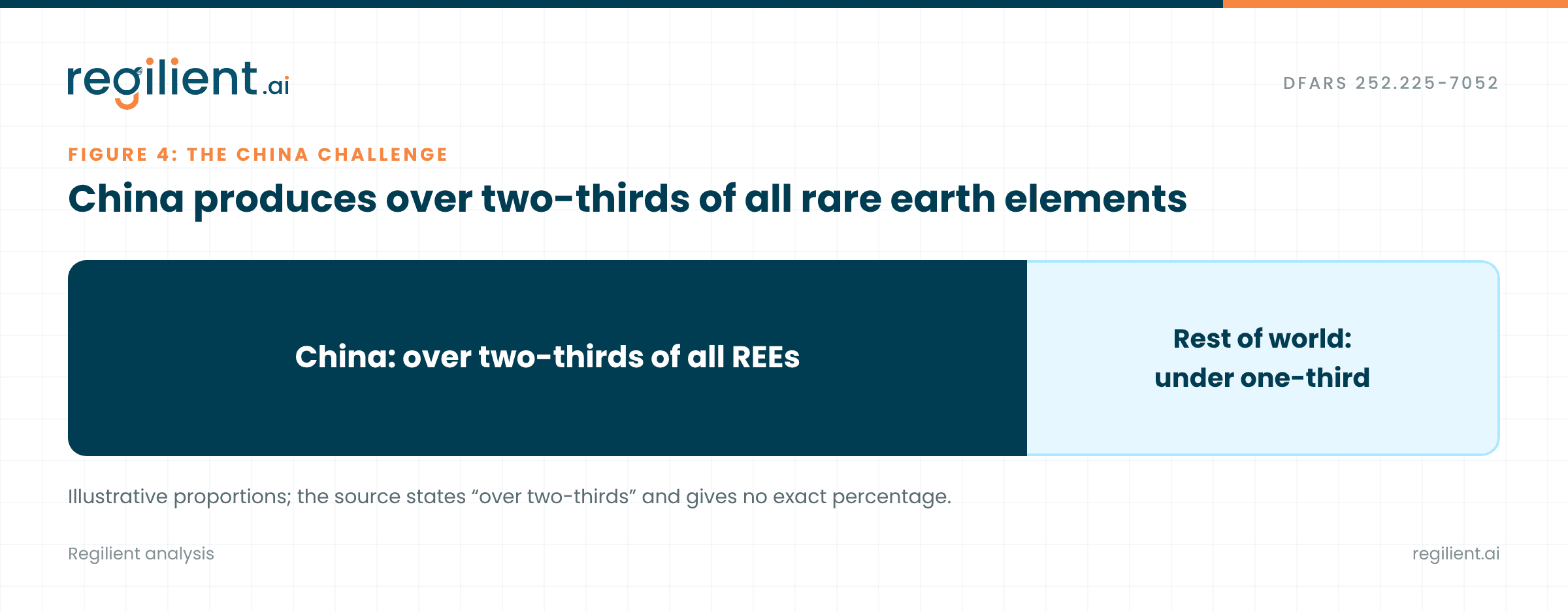
Figure 4: China's share of REE production as stated ("over two-thirds"). Illustrative proportions; no exact percentage is given in the source.
5. Proving provenance: tracing back to the mine
It is no longer enough to know your direct Tier 1 suppliers. Compliance requires assembling an unbroken evidence chain all the way upstream.
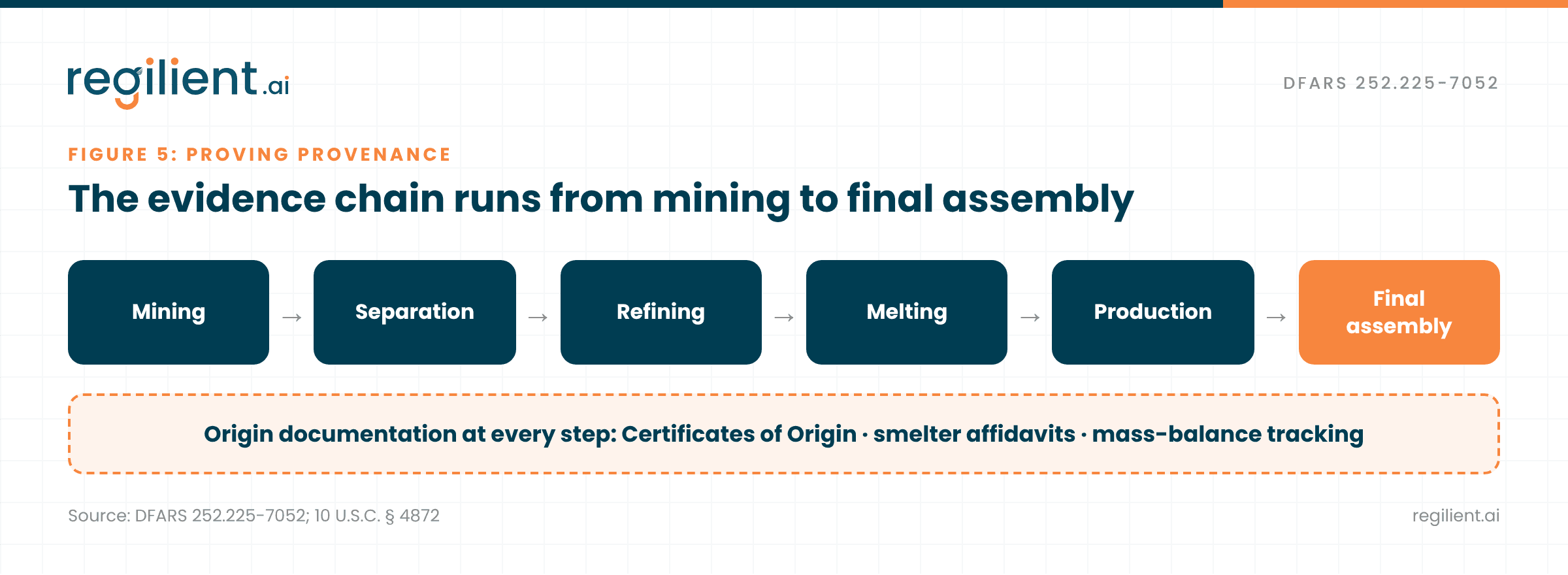
Figure 5: Evidence chain from mining to final assembly
5.1 Building the evidence chain
- Defence subcontractors must demand origin documentation for every step: mining, separation, refining, and melting.
- Typical forms: Certificates of Origin, smelter affidavits, and detailed mass-balance tracking.
- Blanket statements of compliance will not hold up under DoD audit.
5.2 Handling uncooperative suppliers
Many lower-tier suppliers, particularly commercial-off-the-shelf (COTS) component makers, may resist sharing proprietary sub-tier supplier data. To overcome this, prime contractors and major subs are using:
- Third-party supply chain risk management (SCRM) escrow services
- Strict flow-down contractual clauses
- Resourcing components entirely if transparency is not achieved
5.3 The tightening of waivers
- Historically, companies unable to source compliant materials could apply for waivers.
- In alignment with Executive Order 14415 (which strengthens Buy American provisions), the DoD is heavily scrutinising and tightening the waiver process.
- Waivers are becoming a last resort, granted only when absolute market unavailability is proven, not just commercial inconvenience or higher costs.
6. The 2027 playbook: how to prepare now
Deep supply chain pivoting takes years, not months. Do not wait until the end of 2026 to act. Implement these steps immediately to ensure uninterrupted delivery on your defence contracts.
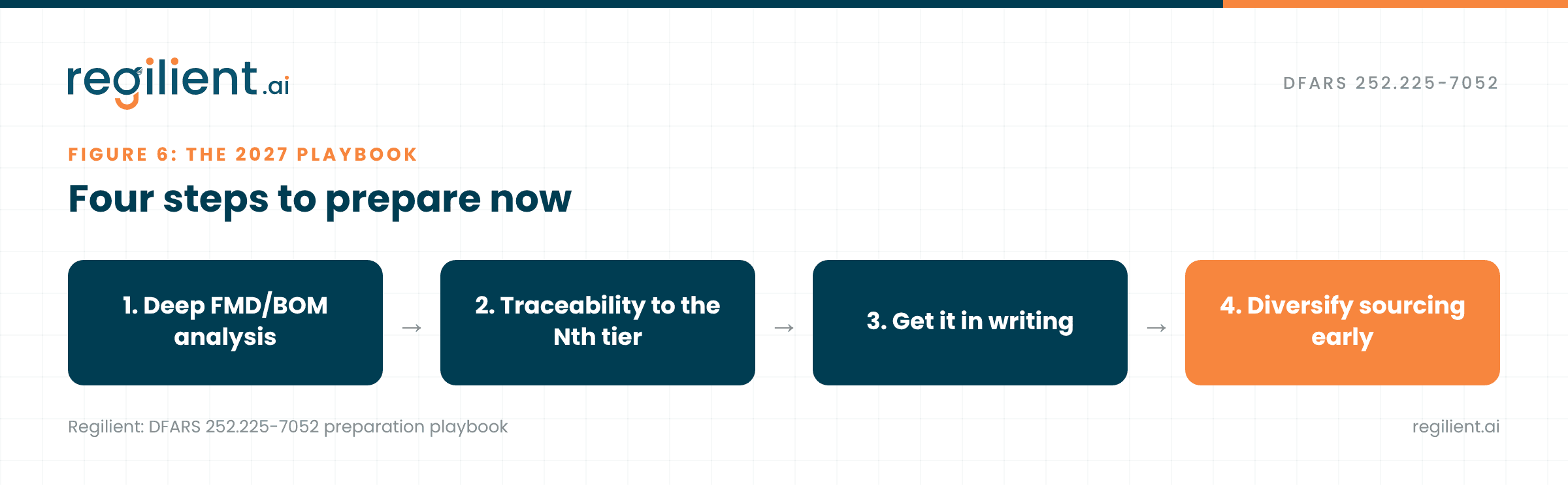
Figure 6: Four-step preparation playbook
- Conduct deep FMD/BOM analysis: Audit your Full Material Declarations (FMDs) and Bills of Materials (BOMs). Identify exactly which components contain covered magnets, tantalum, or tungsten.
- Push traceability to the Nth tier: Ask suppliers where their ore or feedstock originates, not just where it was melted. Ask specifically about the original source of any recycled content.
- Get it in writing: Demand sourcing positions on a per-program and per-part basis. Update your standard terms and conditions to enforce 252.225-7052 compliance flow-downs.
- Diversify sourcing early: Begin qualifying secondary suppliers in allied nations now. Securing capacity in these limited markets before the rest of the defence industrial base scrambles in late 2026 will be a massive competitive advantage.
Conclusion
DFARS 252.225-7052 requires an unprecedented level of supply chain visibility. By mapping sub-tier suppliers, securing clean origin data, and diversifying global sourcing today, forward-thinking manufacturers can protect their defence contracts and their bottom line well ahead of the 2027 deadline.
Regilient provides agentic sustainability software for product compliance, supplier engagement, and regulatory intelligence across REACH, RoHS, PFAS, CMRT, SCIP, CBAM, and global chemical regulations.
This article is for information only and is not legal, regulatory or compliance advice. Confirm your position with your contracting officer or legal counsel before relying on any point here.