
OUR LIBRARY


Company-Level vs. Product-Level CMRT: What’s the Difference?

Updated
CMRT Smelter Validation: How to Verify Smelter and Refiner Data

CMRT 6.6 Is Live: Here's What Changed and What You Need to Do Before Your Next Filing

Why Email and Spreadsheets Can’t Sustain AMRT at Scale

Who Owns AMRT Internally (and Why Shared Ownership Fails)

Running AMRT at Scale: Why One-Time Responses Always Fail

Why Product and Supplier Changes Break AMRT at Scale

When AMRT Data Creates ESG and Reputational Risk for Customers

AMRT Failure Is Commercial, Not Legal: What Suppliers Actually Lose

What Triggers AMRT Escalation: Patterns That Put Suppliers Under Review

Why AMRT Submissions Get Flagged Even When They’re “Accepted”

How AMRT Is Enforced Without Regulation: Validation, Escalation, and Supplier Risk

AMRT Data Quality Mistakes: The Most Common Errors That Trigger Customer Rework

AMRT Smelter Look-up Tab Explained: What to Do When a Processor Isn’t Listed

AMRT 1.3 Changes Explained: What’s New and What Suppliers Must Update

How to Fill the AMRT: Declaration Questions and Data Expectations Explained

Why Suppliers Are Asked for AMRT Before Laws Exist

Which Minerals Trigger AMRT Requests from OEMs

AMRT Applicability Explained: Why Suppliers Are Asked to Report Before Regulation Exist
.png&w=3840&q=75)
Who Is Expected to Submit AMRT (and Why “Voluntary” Is Misleading)
.png&w=3840&q=75)
Conflict Minerals vs ESG Reporting: Where CMRT Fits (and Where It Doesn’t)

Conflict Minerals Reporting in 2026: Key Regulatory Changes Manufacturers Must Prepare For
%2520Practical%2520Examples%2520That%2520Pass%2520Conflict%2520Minerals%2520Audits.png&w=3840&q=75)
Reasonable Country of Origin Inquiry (RCOI): Practical Examples That Pass Conflict Minerals Audits

How to Validate Smelters in a CMRT: RMI, RMAP, and Red Flags Explained

Company-Level vs Product-Level CMRT: Which One Customers Trust?

False Positives in CMRT: When ‘Conflict-Free’ Declarations Fail Compliance Checks

Common CMRT Audit Failures That Trigger Regulatory Scrutiny

How to Improve CMRT Supplier Response Rates
.png&w=3840&q=75)
RCOI Process: How to Conduct a Reasonable Country of Origin Inquiry

What is Section 1502 of the U.S. Dodd-Frank Act?
What Are the EU Conflict Minerals Regulation Compliance Requirements?

Impact of Conflict Minerals Compliance: Importance of Automation, Accuracy, and Accountability

Improving Compliance Efficiency : Acquis' Compliance Tool Cuts CMRT Reporting Time by upto 70%!

5 Steps to Prepare Smelter Audits & Risk Assessments for Conflict Minerals Compliance

6 Steps to Eliminate Conflict Minerals from Your Supply Chain

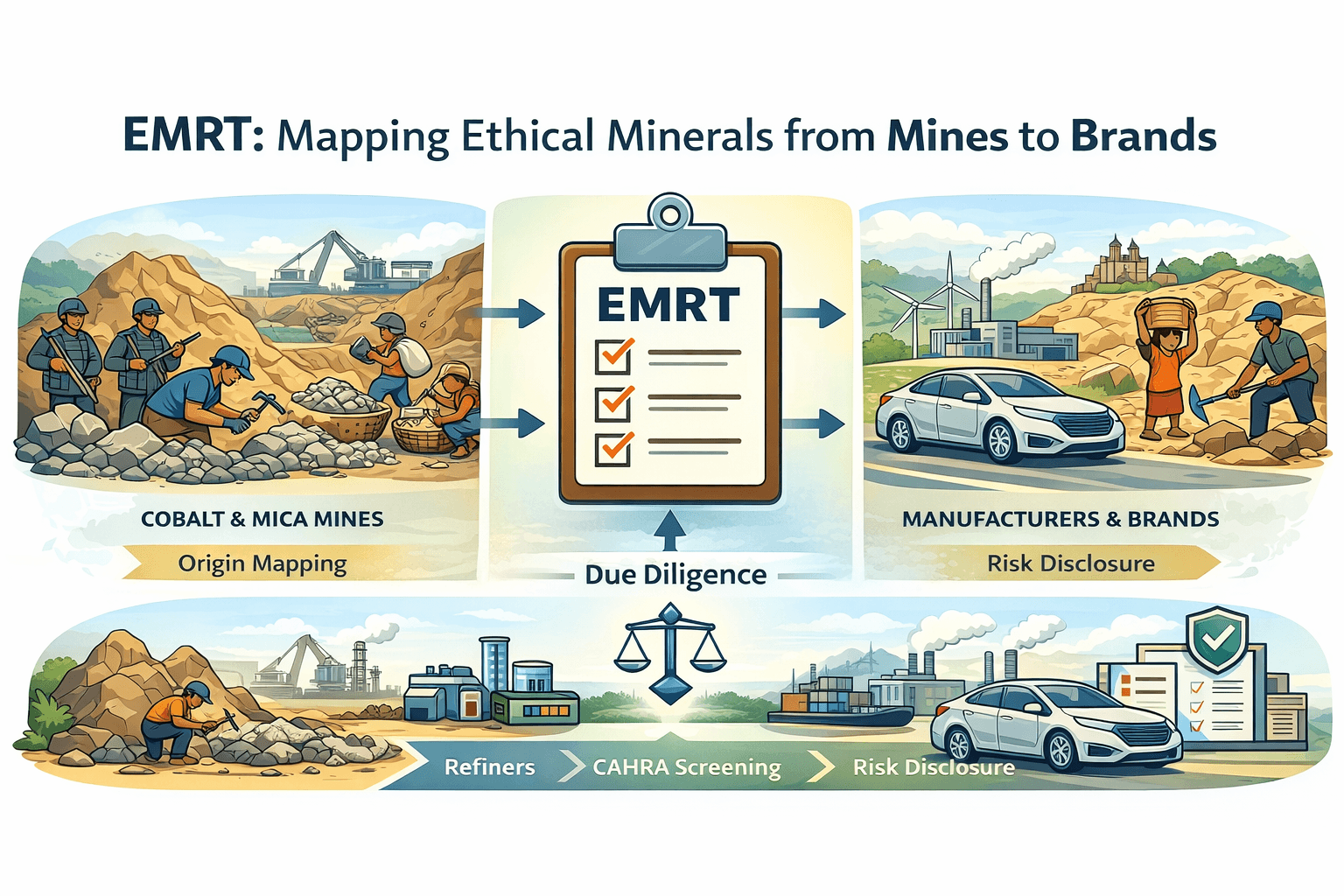
Extended Minerals Reporting Template: Using the EMRT to Ensure Responsible Cobalt and Mica Sourcing

The Role of Traceability and Transparency in Responsible Sourcing for Conflict Minerals

CMRT Reporting Process: A Practical Guide to Conflict Minerals Reporting

Updated
CMRT Reporting Template: Complete Guide to Conflict Minerals Reporting

Supply Chain Sustainability Management and Environmental Compliance with Software Modules

Supply Chain Transparency with Conflict Mineral Software

Conflict Minerals Reporting Best Practices for Complex Manufacturing Companies

How to Complete a CMRT: Step-by-Step Guide

Legislative History of Dodd-Frank Conflict Minerals Act

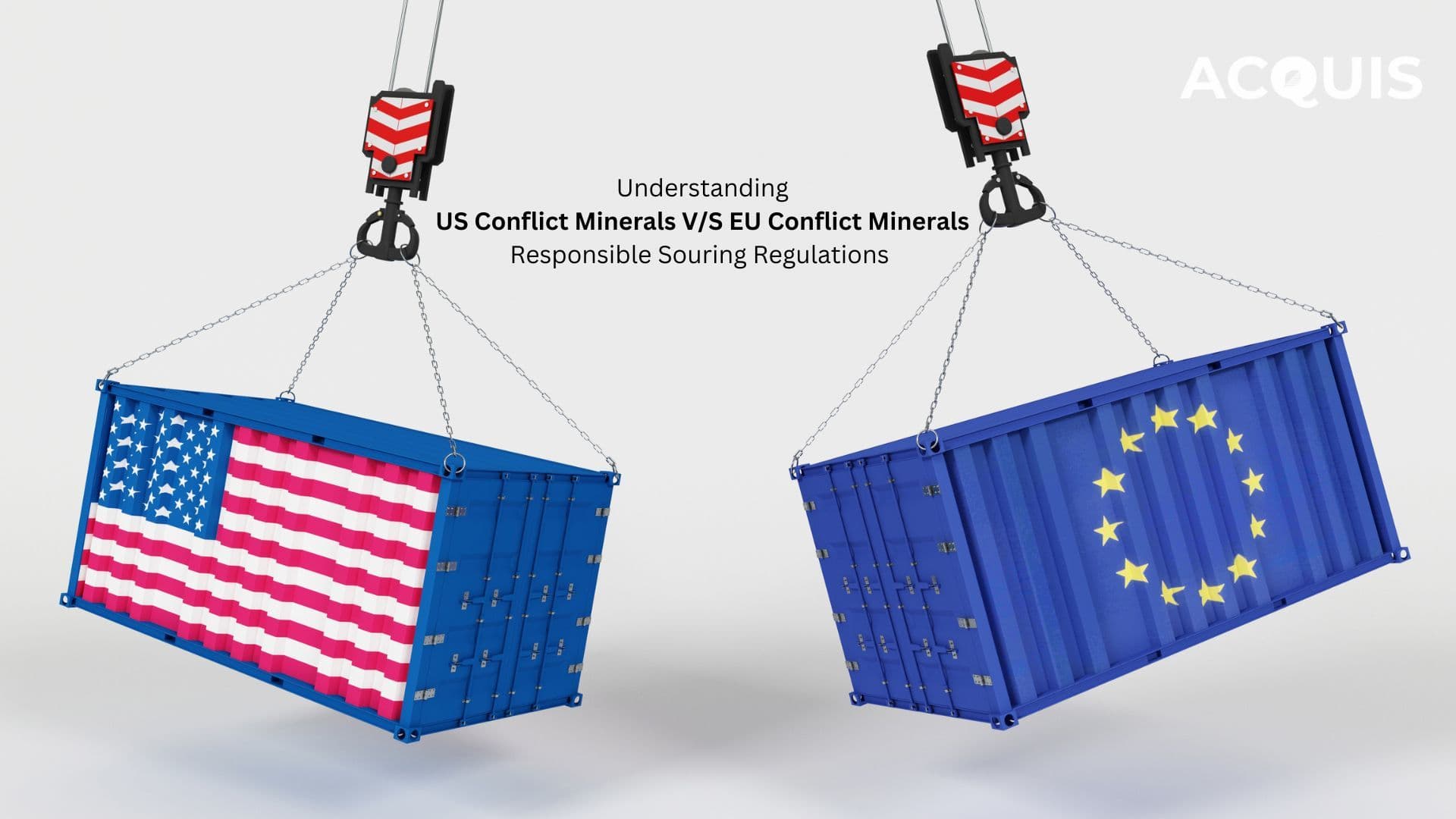
The Similarities and Differences between US & EU Conflict Minerals Regulations

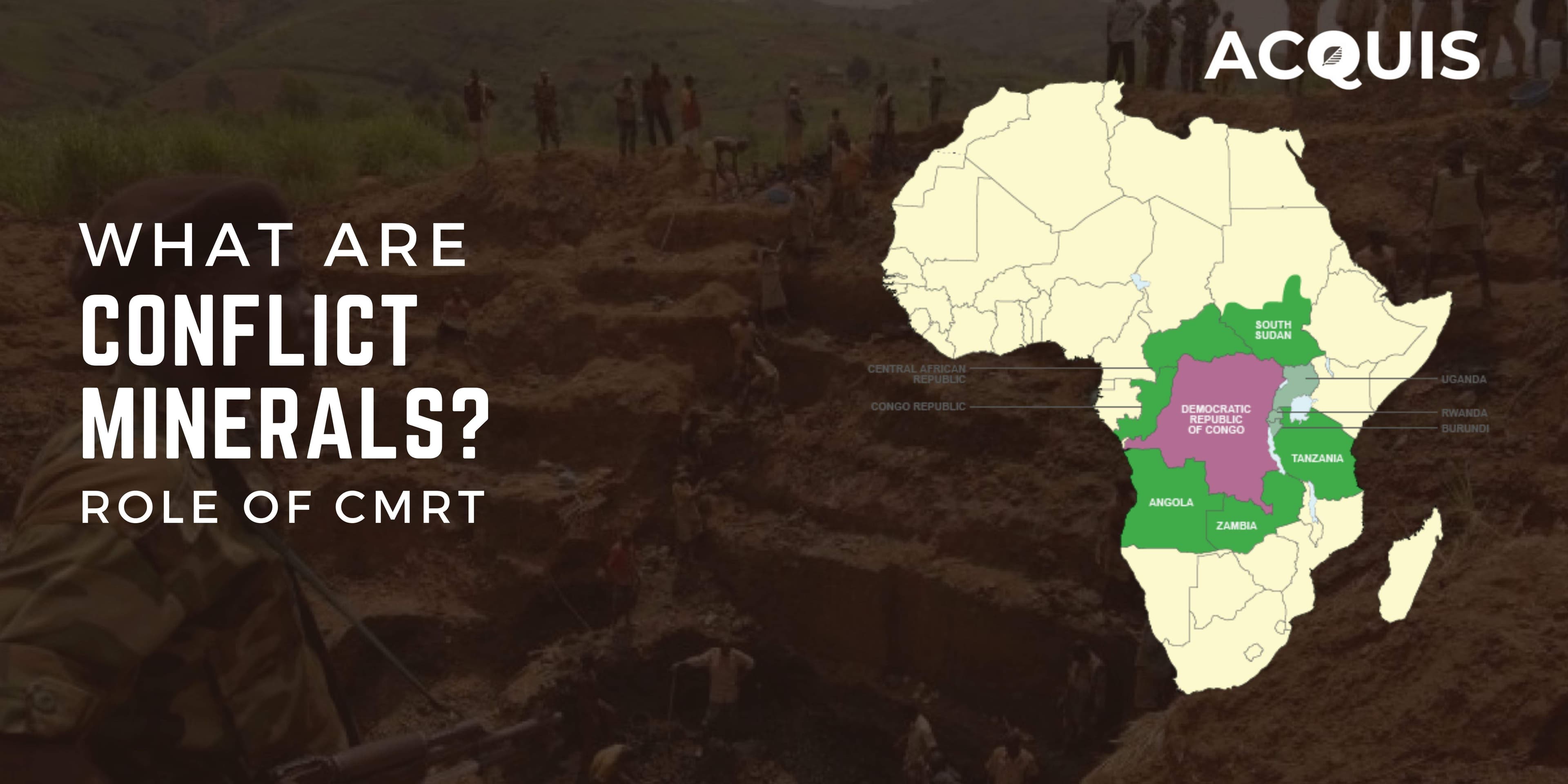
What are Conflict Minerals and the Role of CMRT?
Disclaimer
The information provided in Regilient's blogs, ebooks, and other materials is intended for informational purposes only and should not be construed as legal advice. While we strive to provide accurate and up-to-date information, the rapidly evolving nature of compliance regulations means that the content may not always reflect the most current legal standards or interpretations. Therefore, it is crucial to consult with qualified legal professionals or our experts to ensure compliance with specific regulations and requirements applicable to your business. Reliance on the information provided without seeking professional advice could result in legal risks and potential non-compliance. Regilient disclaims any liability for errors, omissions, or damages arising from the use of the information provided in our materials.