
Table of Contents
- Why HS and HTS Classification Matters
- What Is the HS Code?
- What Is the HTS Code (HTSUS)?
- Key Differences: HS vs. HTS
- Common HS and HTS Classification Mistakes
- How to Classify Your Products Accurately
- What’s at Stake?
- HS vs HTS Codes: Frequently Asked Questions
- Are HTS codes universal across all countries?
- Are HS codes the same for all countries?
- Do HS codes affect financial obligations like duties and taxes?
- What is the difference between an HS code and an HTS code?
- Classification Is Not a One-Time Task
- How Regilient Helps You Get Classification Right
Last reviewed: 6 November 2026.
If you're importing, exporting, or moving products cross-border, getting your codes wrong isn't a typo. It's a tariff, audit, or seizure waiting to happen.
Why HS and HTS Classification Matters
Every product you ship, whether it’s a wire harness, server, lab device, or battery pack, needs to be classified under the Harmonized System (HS) and Harmonized Tariff Schedule (HTS).
But here’s the issue: most teams still confuse the two, underestimate their impact, or rely on outdated spreadsheets that don’t stand up in customs inspections.
What Is the HS Code?
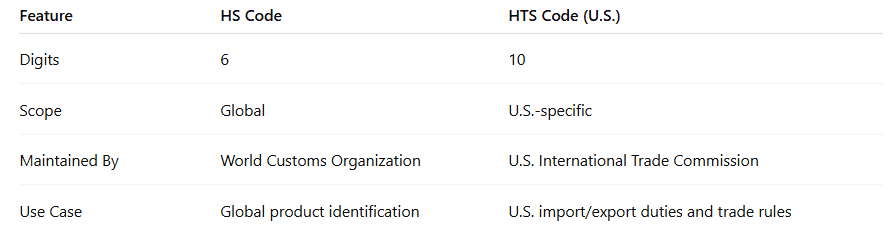
The Harmonized System (HS) is a 6-digit international product classification framework maintained by the World Customs Organization (WCO).
It’s used by 200+ countries to:
- Identify goods
- Apply duties and taxes
- Enforce import/export regulations
- Compile trade statistics
Example:
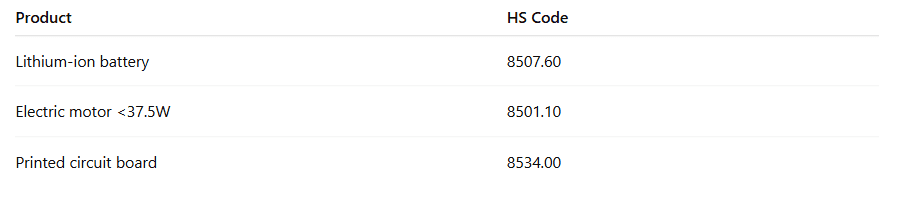
The first 6 digits are universal. After that, countries add their own specificity.
What Is the HTS Code (HTSUS)?
In the U.S., the HS code is extended to 10 digits to create the HTS code, short for Harmonized Tariff Schedule of the United States.
Managed by the U.S. International Trade Commission (USITC), the HTS code determines:
Misclassification is one of the most common triggers for customs audits and retroactive duty bills. See how Regilient's Trade Compliance Software manages HS/HTS classification across your full product catalogue.
- Duty rates
- FTA eligibility (like USMCA)
- Trade remedy application (anti-dumping, countervailing duties)
Bottom line: HS = global standard, HTS = country-specific application.
Real-World Impact:
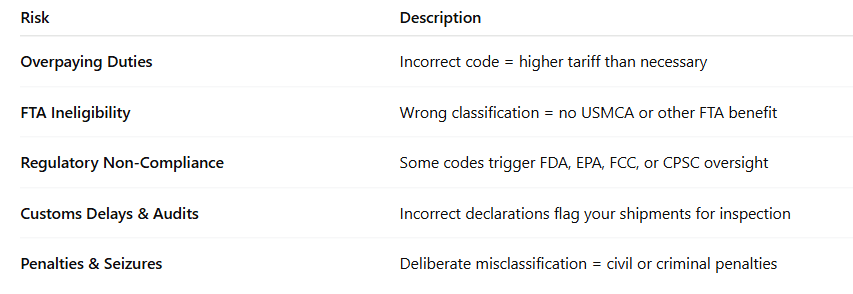
Incorrect HTS classification = wrong duty rate = fines, shipment delays, audits, or worse, legal penalties for misdeclaration.
Key Differences: HS vs. HTS
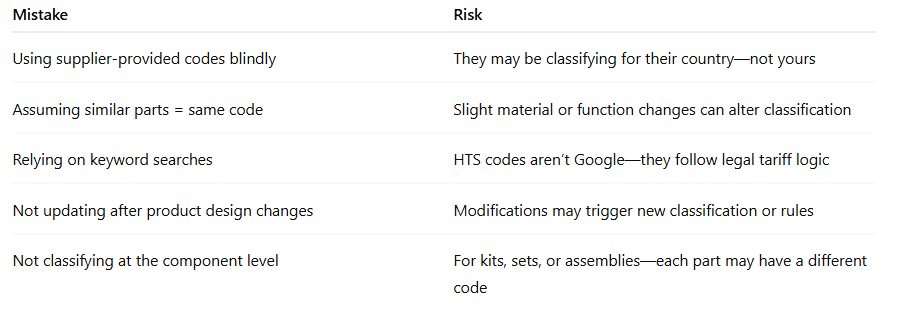
Common HS and HTS Classification Mistakes
How to Classify Your Products Accurately
1- Start With the Product’s Function and Material
What does it do? How is it used? What is it made of?
2- Use the General Rules of Interpretation (GRI)
GRIs govern how you interpret classifications when multiple options exist.
3- Check Cross-Border Consistency
Use the same 6-digit HS code globally, but validate HTS extensions per country.
4- Consult Explanatory Notes and Binding Rulings
For complex products, refer to:
- WCO Explanatory Notes
- U.S. CBP rulings database
5- Classify at the Lowest Unit Level
Classify components, not just the final assembly, especially for electronics, kits, and modular builds.
What’s at Stake?
HS vs HTS Codes: Frequently Asked Questions
Are HTS codes universal across all countries?
No. HTS codes are specific to imports into the United States. The first 6 digits follow the globally harmonised HS code, but the remaining digits are country-specific, which is why an HTS code assigned for a US shipment cannot simply be reused for exports to the EU or elsewhere.
Are HS codes the same for all countries?
Only the first 6 digits of an HS code are standardised internationally under the World Customs Organization system. Countries commonly extend the code with additional digits for their own tariff schedules, so the full code can differ even when the first 6 digits match.
Do HS codes affect financial obligations like duties and taxes?
Yes. The HS or HTS code assigned to a product directly determines the duty rate, and in many jurisdictions also affects applicable taxes, trade agreement eligibility, and whether additional tariffs (such as antidumping or safeguard duties) apply.
What is the difference between an HS code and an HTS code?
An HS code is the 6-digit international classification standard used by most countries worldwide. An HTS code is the United States’ own extension of that standard, typically to 10 digits, used specifically for imports into the US.
Classification Is Not a One-Time Task
It’s a living compliance activity. If your:
- Product changes
- Material source changes
- Function evolves
- Country of destination changes…
…your HS/HTS code might need to change too.
How Regilient Helps You Get Classification Right
At Regilient, we don’t guess. We:
- Match parts and components to up-to-date HTS/HS datasets
- Flag country-specific classification rules
- Track classification changes over time
- Link classification to COO, ECCN, and FTA eligibility
One misclassification can cost you thousands. We make sure it doesn’t happen.
Talk to our classification experts →
If you don’t control your product classification, you don’t control your compliance costs.
HTS errors don’t just cost you money. They cost you contracts, trust, and time.
With Regilient, you get accuracy, traceability, and global classification consistency across your supply chain.
Let’s clean up your codes before customs does it for you.